
In brief
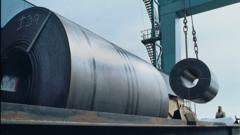
President Donald Trump has officially signed an order to increase tariffs on steel and aluminium imports from 25% to 50%, effective Wednesday. This marks the second time tariffs have been raised since March. Trump claims the move aims to protect the US steel industry, while experts warn of potential backlash and economic repercussions, particularly for American companies reliant on these metals.
Surprisingly, the UK has been exempted from the new tariffs, maintaining its current rate at 25%, which Trump attributed to ongoing trade discussions. Many industry leaders were caught off guard by the announcement, expressing frustration and uncertainty regarding the future. The US stands as the world's largest steel importer after the EU, predominantly sourcing its steel from Canada, Brazil, Mexico, and South Korea. In his previous term, Trump leveraged tariffs citing national security needs, though many companies received exemptions that were revoked earlier this year. This new double-tiered tariff structure has raised alarms among businesses that fear escalating costs and may push customers towards alternative materials.As reported, US imports of steel saw only a slight decrease since previous tariffs were imposed. However, industry representatives expect the latest hike will lead to a more significant decline. Both Canada and the EU have prepared reciprocal tariffs on American goods following earlier tariff announcements by Trump. Negotiators from both sides are engaged in discussions to resolve the impasse.In the UK, the announcement has triggered renewed pressure to finalize a trade deal, which had hoped to mitigate the impact of US tariffs. With steel production already suffering from prior tariffs, industry leaders warn a 50% tariff could be devastating, leading to potential cancelations of export orders.Economists predict that while the tariffs may bolster the domestic steel industry, they could simultaneously harm other sectors, with estimates suggesting significant job losses could occur. This new set of tariffs is viewed as particularly detrimental, as they inflate production costs in a wide array of industries dependent on steel and aluminium.Businesses bracing for the impact of these tariffs are now grappling with rising import costs, leading to price hikes and cautious customer ordering patterns. One manufacturing owner shared concerns about the surge in costs, revealing that expenses related to tariffs had increased significantly, forcing operational adjustments. Overall, the US economy could face considerable challenges as businesses adapt to these dramatic changes in trade policy.

