
In brief
Residents of Hassakeh province are grappling with a severe humanitarian crisis as Turkish air strikes disrupt essential services, leaving over one million people without reliable access to water and electricity.
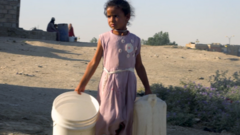
Turkey's extensive military operations in northeastern Syria, particularly against Kurdish-held regions, have intensified an already dire situation marked by prolonged drought and years of civil conflict. Reports indicate that attacks on key infrastructure, such as the main water station in Alouk, have compounded the water scarcity crisis, leaving the local population dependent on water delivery services from over twenty kilometers away. Hassakeh residents used to rely on the Alouk station for their water supply; now, they wait anxiously for tanker deliveries, often leading to chaotic scenes as desperation rises. Those in need plead for water, with instances of conflict breaking out among residents vying for limited supplies. Yayha Ahmed, co-director of the city's water board, described the situation as a “humanitarian catastrophe.” Supporting Turkish military actions, officials argue that they target Kurdish militant groups considered terrorist entities. However, the impact of these operations has been devastating on local infrastructure and civilians. International observers express deep concerns, raising questions about potential violations of humanitarian law. People in the region echo sentiments of abandonment, with calls for urgent international intervention as the humanitarian crisis deepens amidst ongoing military conflicts and increasingly harsh climate conditions affecting water availability. Residents remain hopeful for a resolution to their plight but express that their pleas for assistance seem to go unheard.
