
In brief
Valencia's devastating floods left an alarming death toll due to a mix of poor emergency planning, unexpected violence of nature, and entrenched climate issues. Many victims found themselves trapped in vehicles as floodwaters rose, emphasizing the urgent need for reform in urban design and disaster preparedness.
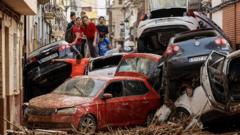
The recent catastrophic flooding in Valencia has shocked many as the region grapples with a tragic death toll now exceeding 200 lives. The majority of casualties stem from the Valencia area on Spain’s Mediterranean coast, where towns like Paiporta, with a population of 25,000, bore the brunt of the disaster, reporting at least 62 fatalities.Experts point to multiple contributing factors, including individuals becoming ensnared in their vehicles, inadequate governmental preparedness, and record levels of rain intensified by climate change. The regional civil protection agency issued an emergency text alert shortly after 20:00 local time on Tuesday, just as floodwaters began surging through local streets, catching many unprepared.Footage from Paiporta shows a swift torrent of water pouring through the streets, while cars remained on the road, unbeknownst to the drivers of the impending deluge. Although rainfall amounts in areas like Utiel and Chiva were significant, Paiporta’s unique landscape—a central ravine—exacerbated the flooding's impact.Mayor Maribel Albalat stated that prior planning was lacking, with numerous residents living in ground-floor apartments, including six elderly care home patients who tragically lost their lives when floodwaters inundated the facility. "People had a false sense of security in Paiporta, as flooding is uncommon here," she remarked.Garages emerged as death traps during the flooding. According to Albalat, many residents instinctively rushed to their garages to move their cars to safety, ill-fatedly trapping themselves. The nearby neighborhood of La Torre saw seven bodies unearthed from one such garage.Motorists found themselves helplessly stranded on the A3 motorway, unsure whether to remain in their vehicles or attempt precarious escapes. Survivor interviews revealed fears of being swept away, with one describing a fellow driver strapping himself to a lamppost for security amidst rising waters.Chiva’s mayor condemned the ongoing dangers, alerting that unturned vehicles may still harbor trapped individuals. As the Guardia Civil advised social media followers on escape strategies from submerged vehicles, experts highlighted additional risks tied to urbanization in Valencia. Pablo Aznar from the Socio-Economic Observatory of Floods and Droughts (Obsis) explained that increased impermeable surfaces due to rapid development exacerbate the risks associated with flooding. Climate change is a crucial factor as well; researchers from World Weather Attribution (WWA) recently conveyed that the rainfall was intensified by 12% because of global warming and that such flooding events are now considered twice as likely. In light of this tragedy, warnings against unnecessary travel resonate strongly as additional flood alerts surface in regions of Spain, prompting national concern and mourning for lives irrevocably altered by this natural disaster.
