In brief
The retrial of Kim Jae-gyu, former head of the KCIA, has ignited a heated debate in South Korea over his 1979 assassination of President Park Chung-hee. As court proceedings unfold, conflicting views of Kim as both a patriot and a traitor come to the fore, reflective of the country’s complex historical narrative and democratic evolution.
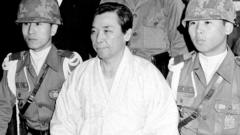
On October 26, 1979, a pivotal moment in South Korea’s history unfolded when Kim Jae-gyu, then the chief of the Korea Central Intelligence Agency (KCIA), shot President Park Chung-hee at a secure compound. This assassination not only ended Park's 18-year authoritarian rule but also led to a military takeover that lasted for another decade. As Kim’s family pushes for a retrial—contending that his actions were motivated by patriotism rather than treachery—the Seoul High Court is reconsidering the circumstances and motivations behind the shooting. Yoo Seok-sul, a former KCIA security guard, vividly recounted the night of the assassination in the context of his life at the agency. He recalled hearing the gunshots and the subsequent chaos, remembering when asked by a superior to bury evidence—guns and bullets—in the garden. Kim’s actions that night have divided public opinion: was he a murderer blinded by power or a patriot attempting to prevent further chaos in South Korea? Kim Jae-gyu remains a polarizing figure; his supporters, including family members, argue he acted to liberate the nation from tyranny, while detractors point to his complicity in Park's oppressive reign. Kim claimed he grappled with the decision but believed Park was dangerously dictatorial, to the extent that chaos loomed over the country. This latest retrial comes against a backdrop of political strife, particularly with the recent impeachment of President Yoon Suk Yeol, raising questions about democracy's fragility in contemporary South Korea. Lee Sang-hee, Kim’s lawyer, argues that the original military court proceedings were unjust, involving coerced confessions and dubious evidence. Initial reports of Park's assassination described the event as accidental, but the truth behind Kim’s motivations unfolded in the trials that followed, highlighting his complex relationship with power and a desire to reform South Korea's political landscape. As the court hears testimonies and evidence anew, it’s a chance for a nation to reflect on its past and consider new narratives around leadership, power, and the definition of patriotism. Ultimately, Kim's fate—and the implications of his actions—reflect broader themes of accountability, democracy, and historical memory as South Korea grapples with a legacy that continues to inspire both admiration and opposition.