In brief
A woman identified as Amaye was brutally killed by a mob in Niger state, Nigeria, after she allegedly made a blasphemous remark in response to a marriage proposal. Local authorities are condemning the act as 'jungle justice' and have initiated an investigation. This incident is part of a troubling trend in northern Nigeria, where accusations of blasphemy often lead to mob violence, with previous cases resulting in similar outcomes. Rights groups have criticized the prevalence of such vigilantism, urging government action to address the underlying issues.
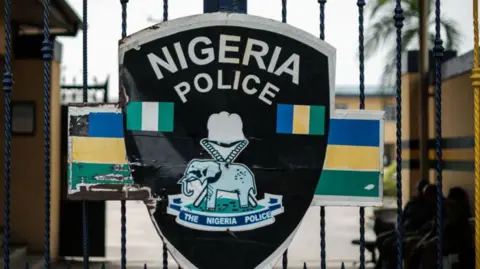
A woman has been burnt to death by a mob in northern Nigeria's Niger state after she was accused of blaspheming against Prophet Muhammad, police have said. Authorities condemned the killing of the woman - identified in local media as a food vendor named Amaye - as 'jungle justice', stating that an investigation was underway to arrest and prosecute the perpetrators.Local eyewitnesses reported that a man jokingly proposed marriage to the vendor, and her response was deemed blasphemous by some individuals present. 'Unfortunately, it led to a mob attack, and [she] was set ablaze before a reinforcement of security teams could arrive at the scene,' said state police spokesman Wasiu Abiodun.Abiodun urged the public to remain calm and refrain from taking the law into their own hands following the tragic incident on Saturday in Kasuwan-Garba town.Such violence is not uncommon in northern Nigeria, where blasphemy is considered a criminal offense under Islamic (Sharia) law, which coexists with secular law in twelve predominantly Muslim states. Rights groups like Amnesty International have warned that blasphemy is often 'weaponized to settle personal scores', emphasizing that minor disagreements can lead to severe consequences.Recent years have seen at least two other individuals lynched over similar accusations, prompting critics to argue that insufficient measures are in place to prevent such attacks, which have targeted both Muslims and Christians. Previous cases include the lynching of student Deborah Samuel in 2022 and a butcher named Usman Buda in the same state under comparable circumstances.While Nigeria's constitution supports freedom of speech, the country remains deeply divided regarding faith and justice. In the past, Nigeria's Supreme Court has ruled that blasphemy allegations must be proven in a court of law.