
In brief
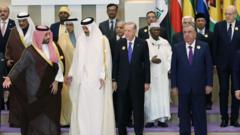
Saudi Crown Prince Mohammed bin Salman has publicly denounced Israel's actions in Gaza as "genocide," marking a significant escalation in rhetoric from a Saudi official since the conflict began. His remarks were made during a recent summit of Muslim and Arab leaders, where he also criticized Israeli military operations against Lebanon and Iran. In response to these accusations, Israel has firmly rejected claims of genocidal actions against Palestinians.
Amid warming ties between Saudi Arabia and Iran, Prince Mohammed issued a warning to Israel regarding any possible attacks on Iranian territory. Echoing this sentiment, the Saudi foreign minister expressed dissatisfaction with the international community's inability to halt the ongoing conflict, emphasizing the dire humanitarian situation in Gaza and accusing Israel of exacerbating starvation in the region.The current conflict escalated following a Hamas attack on October 7, 2023, resulting in substantial casualties on both sides. Since then, an Israeli military campaign has reportedly led to over 43,400 deaths in Gaza, with a significant proportion of victims being women and children. International criticism has grown regarding Israel's military tactics, particularly concerning their impact on UN facilities and personnel in Gaza.In a controversial legislative move, Israel's Knesset has passed a bill aimed at prohibiting the UN Palestinian refugee agency, UNRWA, from operating within its territories. This decision has raised alarms among nations like the US and UK, who fear that this could hinder humanitarian assistance in Gaza.As the summit unfolded, the prospect of Donald Trump's potential return to the White House lingered in the air. Gulf leaders are increasingly hopeful that his influence could lead to a resolution of the region's conflicts, despite his historically contentious relationships regarding Middle Eastern matters. Recent editorials in Saudi publications reflect a sense of cautious optimism towards Trump’s foreign policy and its implications for stability in the region. Thus, while calls for an end to Israeli aggression continue, the geopolitical landscape remains fraught with tension and uncertainty as leaders navigate the complex interplay of regional politics and humanitarian crises.