In brief
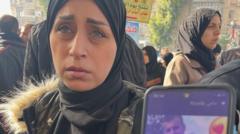
In Damascus, families examine the faces of the deceased at Mustahed Hospital, seeking to identify missing loved ones amidst memories of the Assad regime's cruelty, as they grapple with their grief and hopes for justice.
After enduring over 50 years of oppressive rule under the Assad family, many Syrians now find themselves searching for closure regarding their missing relatives. At Mustahed Hospital in Damascus, a wall displays haunting photographs of deceased men, likely former prisoners, their condition a testament to the brutality they suffered. Families—a blend of spouses, siblings, and parents—gather daily, hoping to find a body to bury, while confronting the grim reality that many have been missing for years.As the hospital’s morgue grapples with the influx of 35 bodies, relatives cautiously examine the faces, recording videos in the hope of identifying some trace of their loved ones. The medical examination reveals signs of severe beatings and malnutrition, underpinning the horrific treatment meted out to detainees under the regime.Among these mourners, a woman named Noor shared her despair over her brother’s disappearance since 2012, highlighting the bitter mix of hope and pain that accompanies their search. Similarly, others recounted similar plights, reliving memories of loved ones taken at checkpoints or during raids. Reports estimate that decades of Assad rule have resulted in countless forced disappearances and deaths, leaving a nation scarred.The Assad regime's grip has provoked a landscape of fear, distrust, and trauma. As they stand before the photographs in the hospital, families not only seek identification of the dead but also crave a reckoning for the suffering they have endured. Amidst the heart-wrenching reveries, some dream of a Syria liberated from fear and sorrow, where justice could perhaps one day prevail.Meanwhile, contrasting the despair of searching families is the anticipation of revenge among some Syrians. Recent rumors of an executing a notorious intelligence officer known for mass atrocities have ignited unrest in a crowded suburb; many long for the spectacle of justice as a form of emotional catharsis.The atmosphere at the hospital remains heavy with lingering grief, as many faces reflect both anguish and a flicker of hope for change. Families and citizens alike continue to yearn for a future free from the shadows of tyranny, dreaming of freedom and dignity for a land long haunted by suffering.