
In brief
As authorities investigate the tragic plane crash in South Korea that resulted in 179 fatalities, questions have surfaced regarding a concrete wall located near the runway. Experts debate its impact on the accident and call for a reassessment of airport safety protocols.
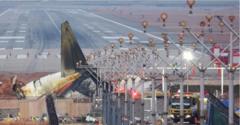
Authorities continue to delve into the causes of South Korea's most catastrophic plane crash, which claimed 179 lives. Central to the investigation is a concrete wall situated about 250 meters (820 feet) from the runway at Muan International Airport. Footage reveals that the Jeju Air plane veered off its designated path, colliding with the wall and igniting a catastrophic blaze. Aviation safety analyst David Learmount remarked that the presence of the wall likely escalated the tragedy; with it absent, all aboard might have survived. The crash occurred after the pilot attempted an emergency landing following a reported bird strike. The aircraft touched down at a considerable distance down the 2,800-meter runway, seemingly landing without utilizing its wheels.Learmount characterized the maneuver as an impressive feat under the circumstances, but stressed that the wall exacerbated the outcome. Lufthansa pilot Christian Beckert described the wall as "unusual," highlighting the rarity of such obstructions at an airport's end. According to South Korea's Yonhap News Agency, the wall supports a localizer, a navigation system crucial for landings. Standing 4 meters high and cloaked in dirt, it was designed to maintain proper alignment with the runway level.Officials from South Korea's transport ministry reflected on practices at comparable airports, asserting that concrete infrastructures often accompany similar systems. However, they are now reconsidering whether such barriers should be constructed from lighter materials that could fracture upon impact. Veteran pilot Chris Kingswood asserted that major safety protocols dictate that hazards near runways should be "frangible," capable of breaking apart upon collision, raising concerns over the rigidity of this barrier.Furthermore, Kingswood indicated that while the aircraft's speed and circumstances at landing compounded the risk, such structural obstacles could critically compromise an airplane's integrity if hit. The tragedy has prompted families of victims to express dissatisfaction over the slow update from authorities. Analysts like Sally Gethin emphasize the need for clarity regarding pilot awareness about the wall's presence, especially considering the unusual reversal in landing direction. As investigations continue, the aviation community seeks answers to pressing questions about design standards and potential human factors that could have prevented this disaster.
