
In brief
"In the aftermath of Syria's civil war, residents of Homs are torn between lingering trauma and a renewed optimism for a fresh start. The resilience of families like Baraa's shines through as they navigate memories of loss and dreams for a better tomorrow."
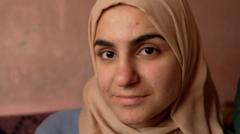
As Syria slowly emerges from the shadow of its devastating civil war, the city of Homs, once dubbed the "capital of the revolution," stands as both a reminder of past suffering and a beacon of newfound hope. Twenty-year-old university student Baraa, who fled her home as a child during the darkest days of the conflict, reflects on her journey from the harrowing experiences of her youth to the optimistic celebrations that recently erupted on the streets following what appears to be the end of Bashar al-Assad's long-standing regime.Baraa lives with her father, Farhan Abdul Ghani, and her sisters, Ala and Jana, who have endured unimaginable hardship, including the tragic loss of their mother. “We did not want war. We did not want a forever president,” Farhan asserts, sharing the heart-wrenching memories of their life during the siege, during which food scarcity led to desperate measures among the population.The family’s struggles echo the broader plight of Homs, a city that witnessed the first protests of the Syrian uprising in 2011. Baraa and her family were among the fortunate civilians rescued during a UN-supervised humanitarian pause, enduring a grueling two-year siege characterized by brutal tactics from government forces. The resilience of the city's residents is evident, as many continue to cope with the trauma while also sharing the joy of gradually rebuilding their lives.With the lifting of blockades, Farhan has noticed a decrease in food prices and renewed opportunities, allowing for small but significant improvements in their day-to-day life. This sense of relief and the possibility of a better future resonates through the community as citizens of Homs slowly return to reclaim their homes, amidst the stark reminders of destruction.Despite the overwhelming sorrow of lost loved ones, including Dr. Hayan al-Abrash who mourns his brother lost to torture in a government prison, there is a collective determination to move forward. Dr. al-Abrash, who had his own underground hospital during the conflict, emphasizes the importance of reconstructing Syria for all its inhabitants, while acknowledging that the wounds from the past are far from healed.Through shared stories and traumatic memories, residents like Farhan and Dr. al-Abrash are driven by resilience. With aspirations to rebuild their community and bridge divides, they reflect a united front in a time of healing. “It will take time to heal our wounds,” cautions Father Tony Homsy of the Catholic Church in Homs, encapsulating the delicate balance between remembrance and the quest for justice, unity, and hope in a fragile yet hopeful post-war Syria.
