
In brief
The country faces a critical 40% decline in sheep herds, causing meat prices to soar and necessitating imports.
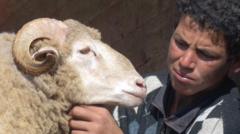
King Mohammed VI has made a significant announcement to the Moroccan populace, urging them to refrain from the traditional practice of slaughtering sheep during Eid al-Adha this year, citing a drastic 40% reduction in the nation's sheep population over the last decade. This decline is attributed to a prolonged period of drought affecting the country's agricultural resources.Eid al-Adha, celebrated by Muslims around the world, commemorates the Prophet Ibrahim's devotion to God by sacrificing a lamb. Traditionally, families partake in this ritual by sharing the meat with loved ones and donating portions to those in need. Unfortunately, limited pastures have forced the Moroccan herds to diminish significantly.In light of the current situation, King Mohammed VI, in a message delivered by the minister of religious affairs, emphasized the negative impact this rite could have on vulnerable populations facing economic hardship. He highlighted that "performing the rite under these difficult circumstances will cause significant harm to large segments of our people, especially those with limited income."The ongoing drought has made agricultural sectors particularly susceptible, with the country's Minister of Agriculture, Ahmed Bouari, explaining that stringent water regulations have prioritized other essential resources, further exacerbating the situation for farmers.The Moroccan government is taking measures to stabilize the meat market, including lifting taxes on livestock and importing 100,000 sheep from Australia to alleviate rising prices. This year's Eid al-Adha, scheduled for June, therefore presents an unusual challenge as families adapt to the realities of livestock shortages.


