Han Song, a celebrated figure in Chinese science fiction, poignantly illustrates the perplexities of modern life with his uncanny narratives. At 59, the writer’s dual career as a journalist and novelist places him at the forefront of China's sweeping transformations, both culturally and socially. His works, often unsettling and grotesque, engage with themes of dystopia, offering a commentary on the nation’s rapid advancement since the turn of the century.
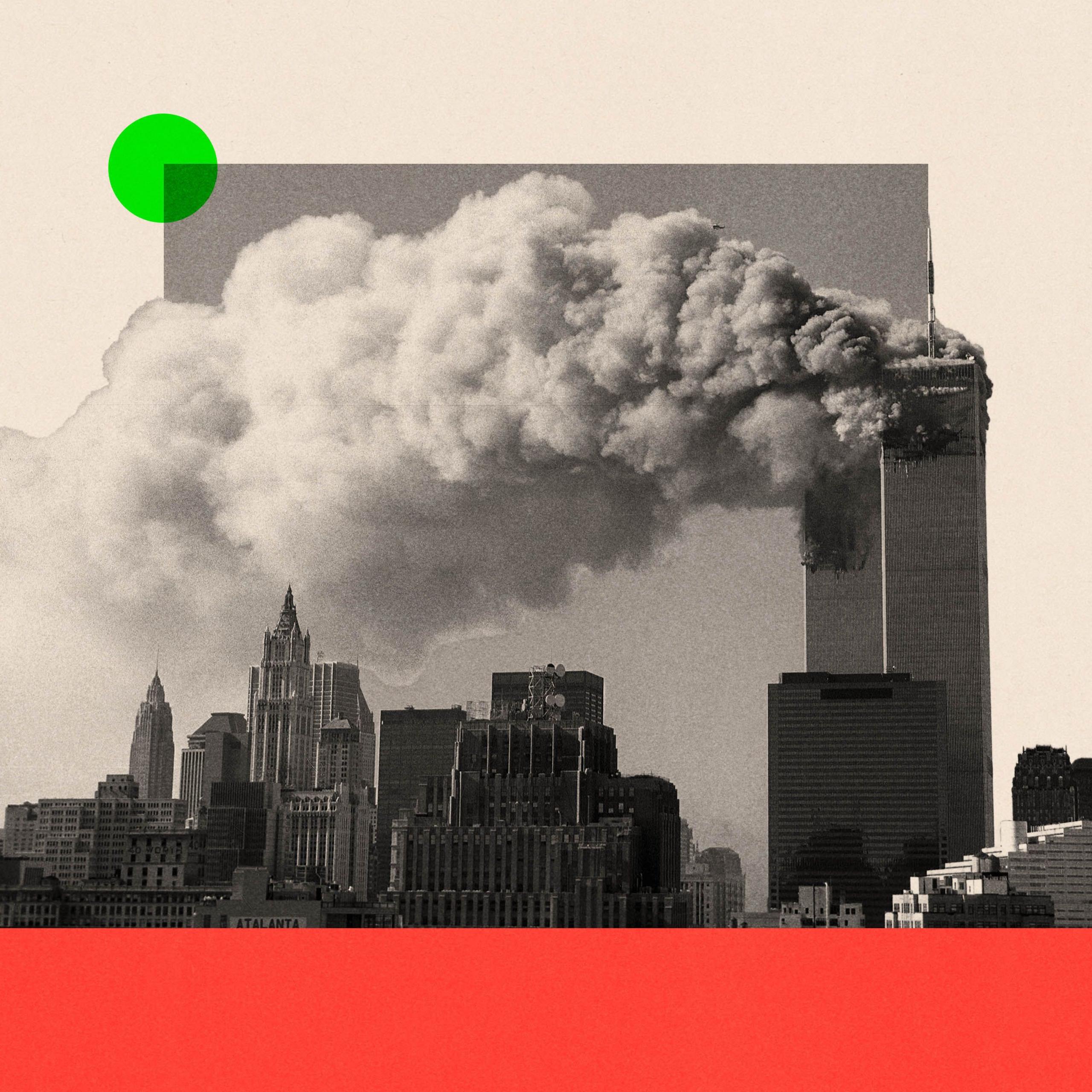
In 2000, Han presciently penned a novel envisioning the collapse of the World Trade Center. Fast forward to 2016, and his chilling tale of a world entirely consumed by hospitals eerily foreshadowed the realities faced during the COVID-19 pandemic in China. “I thought I was just writing fiction, but it turned out to be a reflection of what was to come,” Han remarked regarding his work titled "Hospital."
For the past forty years, he has navigated the complexities of how the unthinkable can suddenly materialize. He balances his day job at the state news agency, documenting the astounding progress of China, with nighttime fiction that reveals the disorientation accompanying that progress. His art interrogates the unsettling shift of power dynamics in the world, particularly illustrated in stories where China emerges as the new superpower, often juxtaposed against the West.
In tales where binge-watching and casual commuting morph into sites of dark absurdity—subway trains serving as backdrops to scenes of cannibalism or wild debauchery—Han’s narratives resonate with the piercing uncertainty of modern existence. As he explores these visceral themes, it becomes increasingly clear that his work is less mere fiction and more a harrowing echo of contemporary reality.