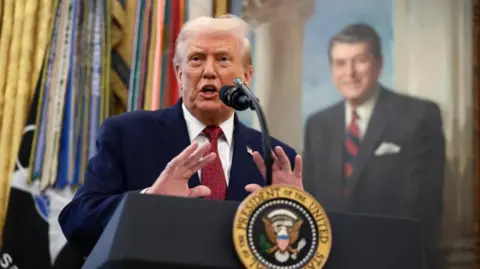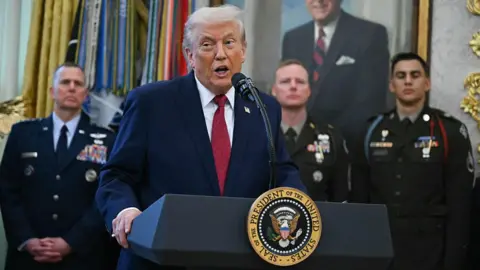
The lawsuit, which involved several states and immigrant rights groups, contested an executive order signed by Trump aimed at terminating birthright citizenship, a status that grants automatic citizenship to individuals born on U.S. soil. The ruling effectively permits the implementation of Trump's order within 30 days while curtailing the ability for courts to block such executive actions.
Justice Amy Coney Barrett, who penned the majority opinion, emphasized that courts do not serve as regulators of the Executive Branch, thereby altering the landscape for how executive actions may be challenged in the future. Despite the ruling, dissenting Justice Sonia Sotomayor criticized the decision as a dangerous precedent that undermines constitutional protections.
Legal challenges are anticipated following this ruling, as its implications for future executive orders and the balance of power remain contentious.
Justice Amy Coney Barrett, who penned the majority opinion, emphasized that courts do not serve as regulators of the Executive Branch, thereby altering the landscape for how executive actions may be challenged in the future. Despite the ruling, dissenting Justice Sonia Sotomayor criticized the decision as a dangerous precedent that undermines constitutional protections.
Legal challenges are anticipated following this ruling, as its implications for future executive orders and the balance of power remain contentious.