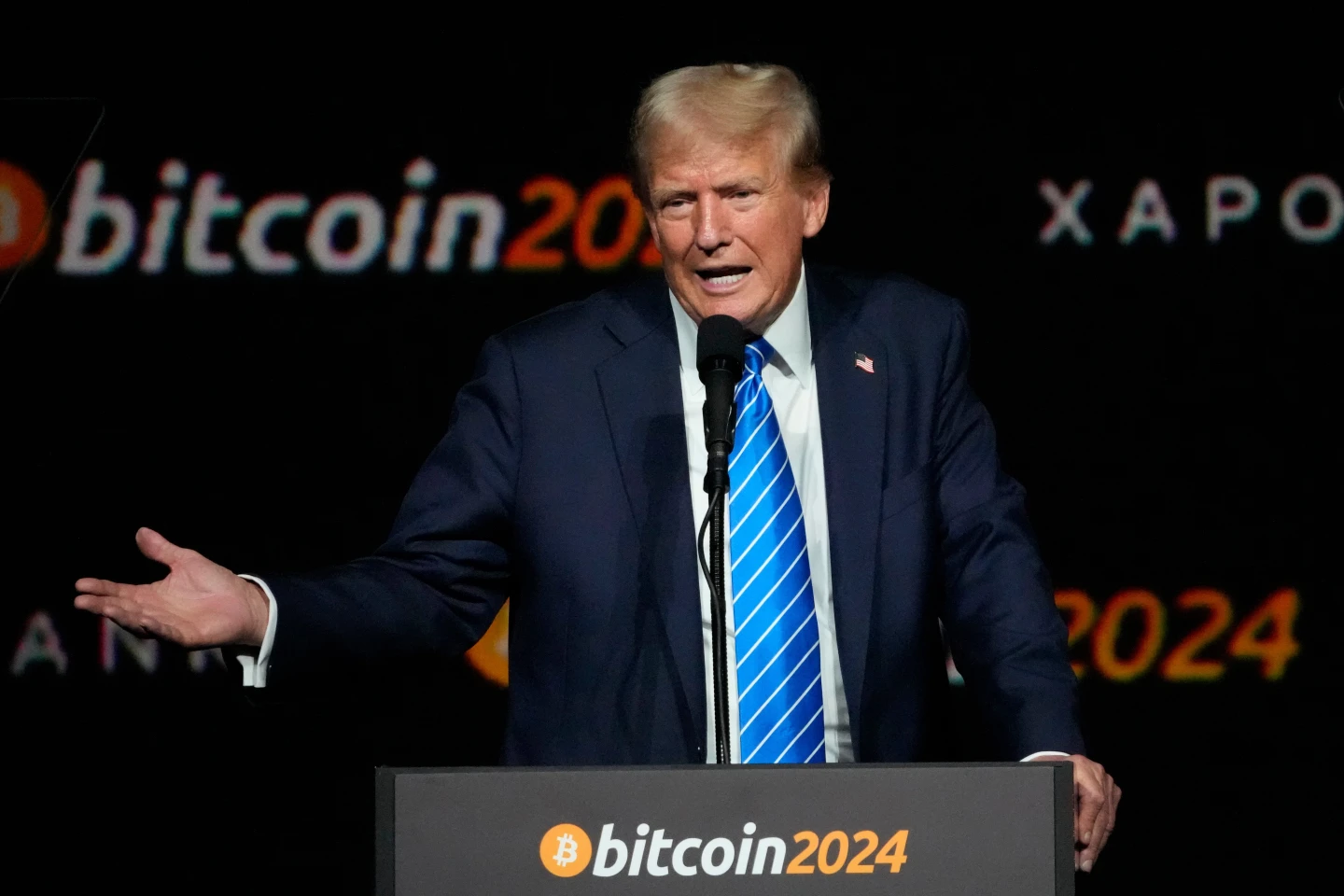
As Israeli airstrikes on Iran escalate, President Trump finds himself in a precarious position within the Republican Party, grappling with conflicting opinions on the United States' role in the burgeoning conflict. On one side, isolationists voice concerns that Israel's actions could ensnare the U.S. in another Middle Eastern war; on the opposing end are pro-Israel hawks who have championed military action against Iran for years.
Trump's response has been multifaceted—while he initially urged restraint from Israel earlier in the year, he later referred to the airstrikes as "excellent." Keeping the U.S. disengaged from the conflict appears to be a priority, as indicated by Secretary of State Marco Rubio's statement clarifying that the U.S. was not involved in the airstrikes initiated by Israel.
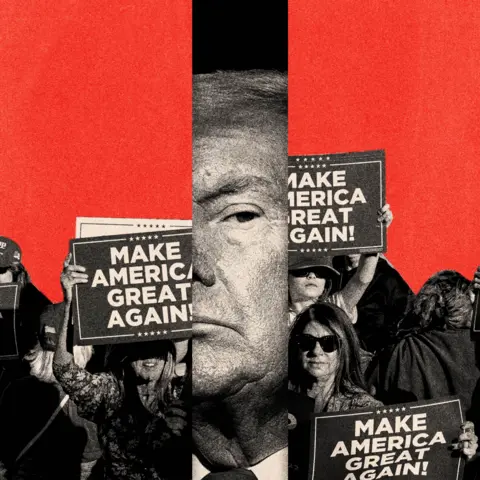
This situation raises fears of a significant schism within the MAGA community, as pointed out by right-wing commentator Charlie Kirk, following Trump’s shifting rhetoric. The president's delicate balancing act of praising the strikes while distancing the U.S. from direct military involvement presents both political challenges and opportunities for a coalition that remains divided over foreign intervention strategies. As the situation develops, the lines within the Republican Party may become increasingly pronounced.