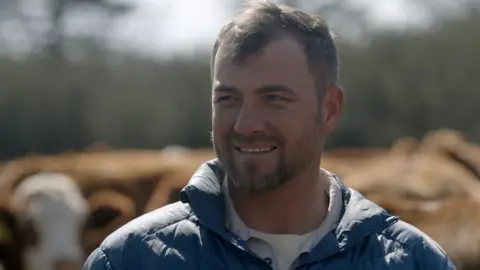
The 4m-high (13ft) electric steel gates, capped with spikes, creak open as Marthinus, a farmer, drives through in his pick-up truck. Cameras positioned at the entrance track his every move, while reams of barbed wire surround the farm in the rural Free State province in the heart of South Africa.
It feels like a prison, he says as the gates clank shut behind him. If they want to come and kill us they can. At least it will take them time to get to me. Marthinus, who is afraid to share his last name, has applied for refugee status in the US alongside his family fearing for their safety amid rising attacks on farms.
The perception of threat among the white Afrikaner community is palpable, with Marthinus recalling the tragedies that have struck his family. His grandfather and his wife's grandfather were both murdered in farm attacks, compelling Marthinus to pursue a drastic change, seeking refuge as he believes our Afrikaner people are an endangered species.\
However, not all white South Africans agree with Marthinus's views. Some argue that crime affects all farmers in South Africa, regardless of their race. Statistics show that while farm attacks are high, black farmers are also victims of violence. This reality complicates the narrative of white persecution often echoed in political discourses.
Controversies surrounding President Trump's executive order prioritizing Afrikaner refugees over others have revealed deep divisions. Critics suggest this notion of 'white genocide' distracts from the broader context of violence that affects various racial groups in South Africa, emphasizing that it undermines actual struggles faced by black South Africans.
According to recent crime statistics, violence remains endemic, with an alarming average of 63 murders reported daily. The call for increased security and the prominence of private security firms reflect rising fears across all demographics. Yet, the notion of seeking refuge abroad has become particularly resonant for many white South Africans amidst sweeping crime and violence.
The controversy persists. Many farmers now participate in private patrols, and the concern over farm safety is visible across communities. Whether regarding security or the political spotlight on white farmers, the narratives are complex, intertwined with issues of race, crime, and historic legacies of apartheid.
As Marthinus and his family prepare for relocation, their belief in being targets remains strong—a perception echoed by others of similar backgrounds. His journey reflects larger societal concerns, showing how historical grievances and present-day fears continue to shape the lives of many in South Africa.