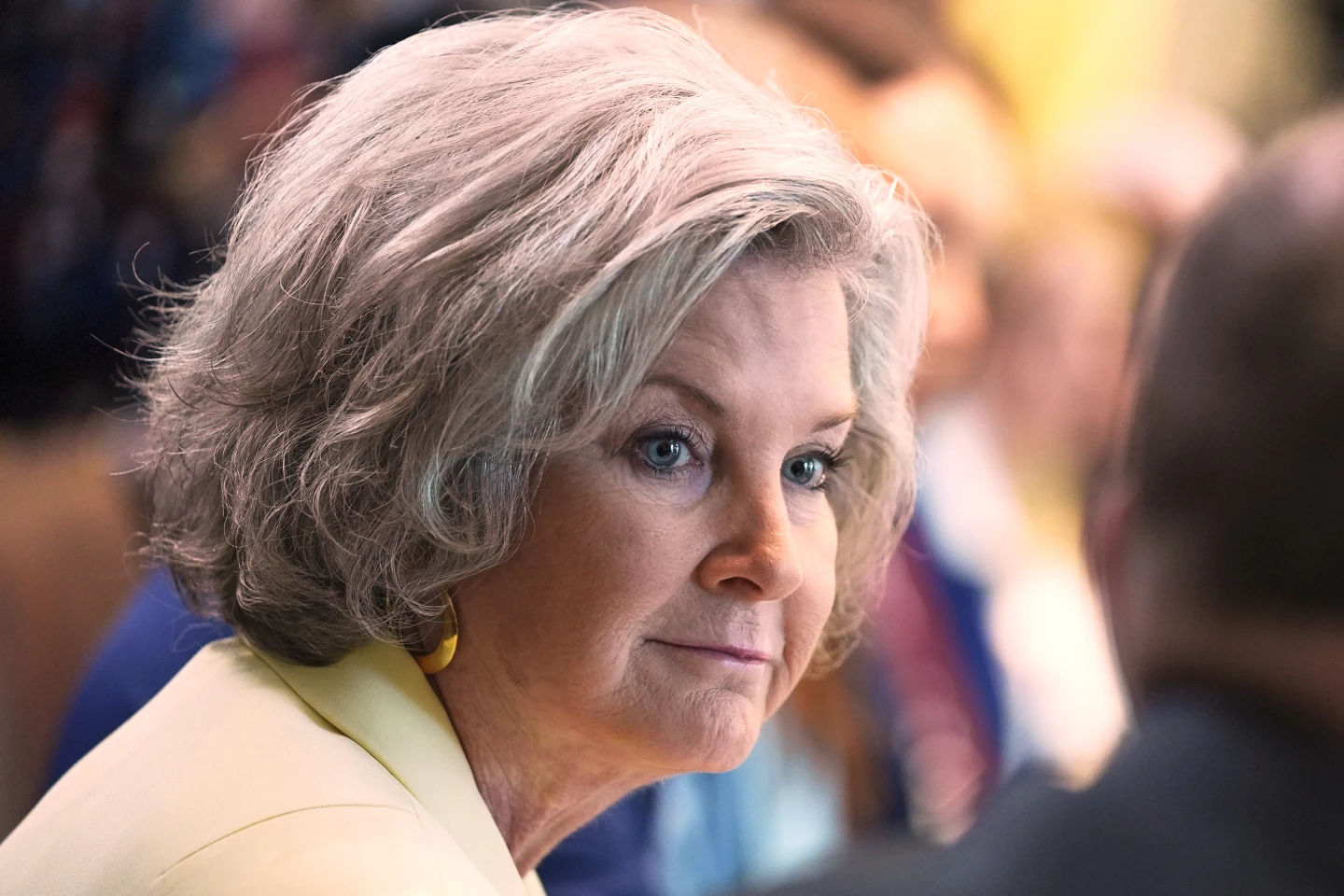
WASHINGTON (AP) — Susie Wiles, President Donald Trump’s understated but influential chief of staff, criticized Attorney General Pam Bondi’s handling of the Jeffrey Epstein case and broadly defended the president’s aggressive second administration in a series of interviews published Tuesday in Vanity Fair. Wiles told the magazine in a wide-ranging conversation that she underestimated the scandal involving Epstein but criticized Bondi’s management of the case and public expectations. After the story was published, Wiles remarked on social media that it was a 'disingenuously framed hit piece' against her and the president. Wiles acknowledged several comments attributed to her but expressed that significant context was missing from the piece. In her conversations, she indicated that Trump is keen to maintain pressure in Venezuela by continuing military action against drug trafficking boats until Nicolás Maduro 'cries uncle.' Moreover, she admitted their agreement about retribution had fallen by the wayside as Trump's desire for accountability against perceived political enemies continues to shape his approach. Overall, Wiles depicted her role as one of channeling Trump's energy and ensuring his aggressive policies are pursued while managing internal dynamics.
Susie Wiles Defends Trump and Critiques Epstein Case Handling by Bondi
Susie Wiles Defends Trump and Critiques Epstein Case Handling by Bondi
In a revealing interview with Vanity Fair, Susie Wiles, chief of staff to President Trump, expressed her dissatisfaction with Attorney General Pam Bondi’s approach to the Jeffrey Epstein case and shared insights on the president’s two-year tenure.
Susie Wiles, President Trump's chief of staff, criticized Attorney General Pam Bondi's management of the Epstein case in a Vanity Fair interview, claiming she underestimated the scandal. Wiles voiced concerns over Bondi's lack of responsiveness and revealed internal discussions surrounding Trump's aggressive policies, including military actions against drug trafficking in Venezuela. Despite claiming a loose agreement to temper Trump's retribution instincts, she acknowledged that some perceived actions could be viewed as retaliatory. Wiles depicted the president as intense yet not as angry as often portrayed, comparing aspects of his personality to that of high-functioning alcoholics.