WASHINGTON (AP) — The Food and Drug Administration (FDA) has initiated a safety review of two injectable drugs aimed at safeguarding babies and toddlers from respiratory syncytial virus (RSV), a virus responsible for thousands of hospitalizations among American children each year.
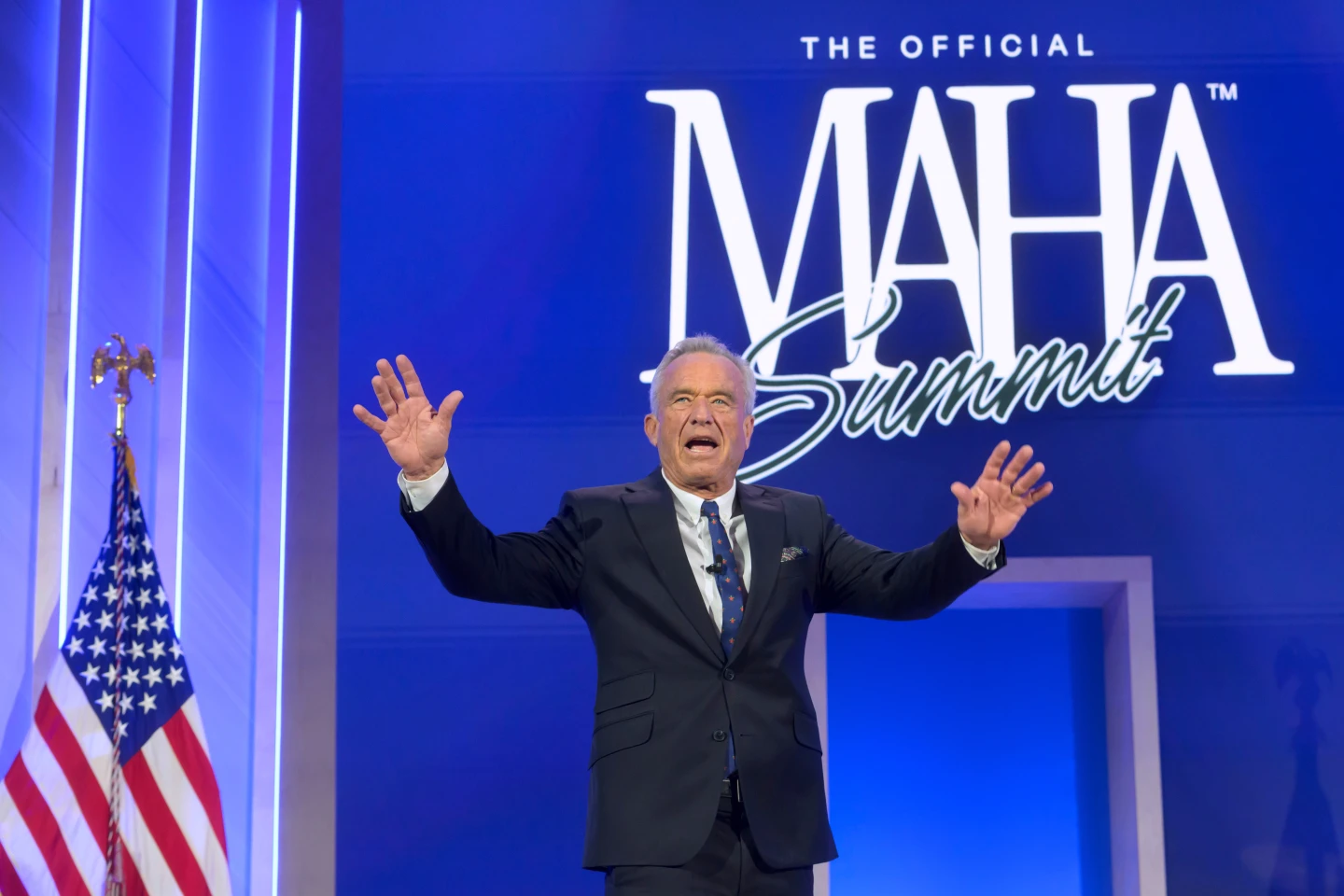
These long-acting drugs, developed by Merck and Sanofi, are designed to be used as prevention against RSV rather than serving as vaccines. The review occurs alongside shifting health recommendations as Health Secretary Robert F. Kennedy Jr. revises routine childhood vaccination practices.
A representative for Kennedy labeled the inquiry a standard safety assessment, clarifying that updates to product labeling will follow if warranted. Meanwhile, both drug manufacturers have reported no new safety signals associated with their products, which received prior approval for infants and young children at risk of RSV.
Reported first by Reuters, the FDA review highlights the growing reliance on laboratory-synthesized antibodies to bolster the immune response against RSV. While vaccines are available for older populations and pregnant women, these injections represent a crucial preventative measure for young children.
Merck's drug, Enflonsia, is specifically approved for infants before or during their initial RSV season, typically spanning five months. The company expressed its commitment to transparency regarding clinical data and welcomes any queries from the FDA. Similarly, Sanofi has assured that clinical studies involving over 6 million immunized infants have identified no new safety issues with its product, Beyfortus.
For most healthy individuals, RSV presents as a minor cold; however, it poses significant risks to infants and the elderly. In 2023, the CDC recommended the use of these antibody shots for infants born just prior to or during the RSV season, depending on maternal vaccination status. Concerns have arisen as the CDC committee underwent significant changes under Kennedy's administration, including controversial decisions to halt routine hepatitis B vaccinations for newborns, eliciting backlash from health experts.
Additionally, the FDA has increased its scrutiny of vaccine safety overall, exploring potential reforms in its approach to vaccine approval and review processes.