Hongkongers have voted in an election seen as a test of public sentiment following a deadly fire that angered some in the city. The government mounted a huge campaign to encourage residents to choose members of the Legislative Council (LegCo). All of the candidates have been vetted to ensure they are loyal to China.
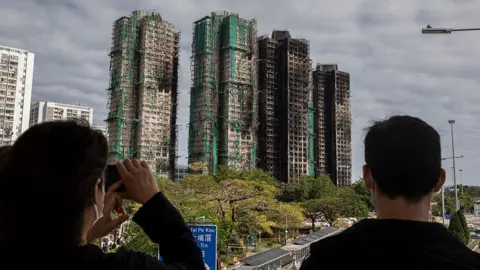
Voter turnout was 31.9%, according to the city's electoral office. The last election in 2021 saw the administrative region's lowest-ever turnout of 30% amid widespread voter apathy. This election took place as many were mourning a devastating fire in Hong Kong's Tai Po district last month that killed nearly 160 people.
Around 1.3 million voted out of around 4.1 million registered voters in the city, which has a population of more than seven million. China earlier made sweeping changes to Hong Kong's electoral system to ensure only patriots could run for seats. Beijing has said the changes, which were put in place after anti-government protests in 2019, were necessary to ensure stability in Hong Kong, but critics say they weakened democracy.
Ahead of the recent election, authorities distributed aid to survivors of the Tai Po fire, arrested suspects and sought to improve building safety, as some Hongkongers raised questions about the incident. A total of 161 candidates competed for 90 seats in the LegCo, which acts as a mini parliament and can make and amend laws. Twenty of those are directly elected, while nearly half are picked by the pro-Beijing Election Committee and the rest chosen by special interest groups like business and trade.
This year, the government has blanketed the city with posters urging Hongkongers to head to the polls, while dangling freebies and shopping discounts. After casting their vote, each person received a thank you card that could be redeemed for vouchers in selected shops and restaurants, or for beauty services, medical check-ups and insurance policy premiums.
Political campaigning for the LegCo election was immediately suspended following the fire, though government-organised debate forums resumed after a few days. Hong Kong Chief Executive John Lee insisted the LegCo election continued as planned as we must move forward before we can turn our grief into strength. He asserted that the new legislators would be able to quickly support reconstruction and reforms.
Some residents, however, raised skepticism toward the elections, linking low turnout to disenchantment with the government's response to the fire and ongoing governance concerns. The Legislative Council elections occur amidst tightened control over political participation and scrutiny over authorities' handling of safety and disaster response, leaving questions about the future of democracy in Hong Kong.
Voter turnout was 31.9%, according to the city's electoral office. The last election in 2021 saw the administrative region's lowest-ever turnout of 30% amid widespread voter apathy. This election took place as many were mourning a devastating fire in Hong Kong's Tai Po district last month that killed nearly 160 people.
Around 1.3 million voted out of around 4.1 million registered voters in the city, which has a population of more than seven million. China earlier made sweeping changes to Hong Kong's electoral system to ensure only patriots could run for seats. Beijing has said the changes, which were put in place after anti-government protests in 2019, were necessary to ensure stability in Hong Kong, but critics say they weakened democracy.
Ahead of the recent election, authorities distributed aid to survivors of the Tai Po fire, arrested suspects and sought to improve building safety, as some Hongkongers raised questions about the incident. A total of 161 candidates competed for 90 seats in the LegCo, which acts as a mini parliament and can make and amend laws. Twenty of those are directly elected, while nearly half are picked by the pro-Beijing Election Committee and the rest chosen by special interest groups like business and trade.
This year, the government has blanketed the city with posters urging Hongkongers to head to the polls, while dangling freebies and shopping discounts. After casting their vote, each person received a thank you card that could be redeemed for vouchers in selected shops and restaurants, or for beauty services, medical check-ups and insurance policy premiums.
Political campaigning for the LegCo election was immediately suspended following the fire, though government-organised debate forums resumed after a few days. Hong Kong Chief Executive John Lee insisted the LegCo election continued as planned as we must move forward before we can turn our grief into strength. He asserted that the new legislators would be able to quickly support reconstruction and reforms.
Some residents, however, raised skepticism toward the elections, linking low turnout to disenchantment with the government's response to the fire and ongoing governance concerns. The Legislative Council elections occur amidst tightened control over political participation and scrutiny over authorities' handling of safety and disaster response, leaving questions about the future of democracy in Hong Kong.