Supreme Court Justices Challenge Trump's Tariff Powers in Crucial Hearing
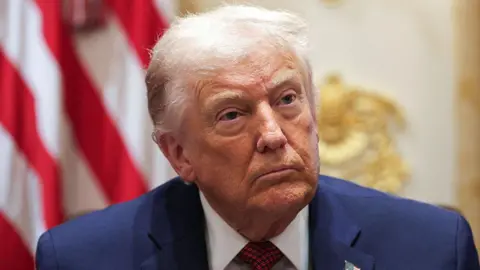
A recent Supreme Court hearing raised significant questions regarding the legality of President Trump's sweeping tariffs, with justices from both sides of the aisle expressing skepticism about the administration's justifications.
The justices expressed concerns over the White House's assertion that the tariffs were essential for restoring the American manufacturing base and addressing trade imbalances. Several conservative justices, including Amy Coney Barrett, probed the need for such extensive tariffs, questioning whether the threats claimed by the administration applied to all countries involved.
The case revolves around challenges from small businesses and a collection of states, asserting that the president has exceeded his authority in imposing these tariffs, effectively a form of taxation. With billions of dollars in potential refunds at stake, the court's decision is viewed as a critical first test of the Trump administration's push for expanded presidential power.
The court, which has a 6-3 conservative majority, has traditionally taken months to reach decisions on significant matters, but there is speculation that it may expedite this case due to its implications for both constitutional law and economic stability.
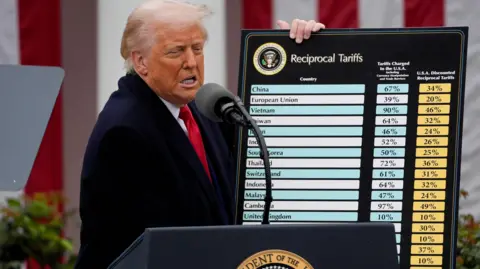
During the hearing, justices raised doubts about the breadth of executive power under the International Emergency Economic Powers Act (IEEPA), which Trump invoked to justify the tariffs. The administration argued that many countries needed to be tariffed as part of a reciprocal policy. However, justices questioned whether such expansive interpretations of emergency powers were constitutionally sound.
Solicitor General John Sauer defended the tariffs as necessary measures against trade retaliation that could harm U.S. national security. However, challengers contend the IEEPA was never intended to grant such sweeping authority for the imposition of tariffs.