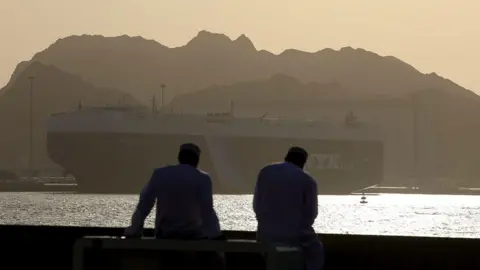
There's no doubt the US military has the capability to mount a blockade of vessels moving in and out of the Gulf. The question is: to what end?
'I do think it's doable,' retired US Rear Admiral Mark Montgomery told the BBC this morning. 'And it's certainly less risky than the alternative, which would have been to forcibly push back the Iranians and create the conditions for a convoy.'
Some options floated by President Trump, such as the seizure of Kharg Island or militarily escorting convoys through the Strait of Hormuz, could have been hazardous and costly. US forces involved would have exposed themselves to attacks from Iranian missiles, drones, and fast boats, with the additional danger of mines in the water.
In contrast, a blockade allows US warships to loiter safely, far offshore in the waters of the Gulf of Oman, tracking vessels emerging from Iranian ports and interdicting them at will. 'There's less risk in this than there is in the very confined area of the Strait,' Admiral Montgomery explained.
The US navy possesses all the necessary assets for the operation, including special forces and helicopters. Recent blockades of Venezuela and Cuba showcase the potential success of such actions. US Central Command states that the blockade 'will be enforced impartially against vessels of all nations entering or departing Iranian ports,' with the exception of ships carrying humanitarian supplies, which will be subject to inspection. But will it work?
The logic is sound. Iran has continued to export petrochemicals during ongoing conflicts, netting billions and hindering the exports of other Gulf nations. A successful US blockade could halt this flow, denting the Iranian regime's revenue, which is crucial for sustaining its economy.
However, Iran has shown resilience in facing US and Israeli assaults, believing it can outlast any sanctions or blockades. Reports suggest that as the US prepares to implement this blockade, the potential for increased oil prices looms, further complicating the stakes for all parties involved.
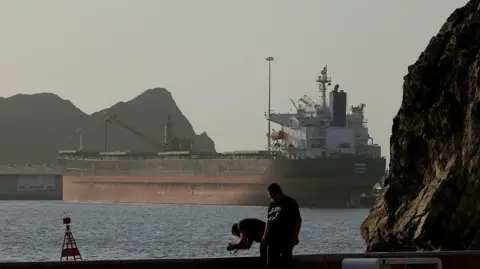
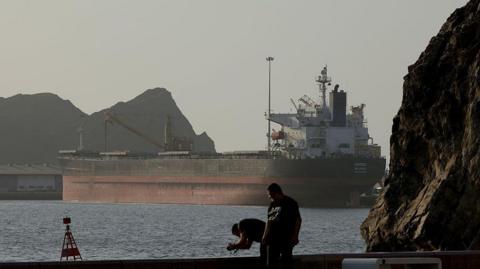
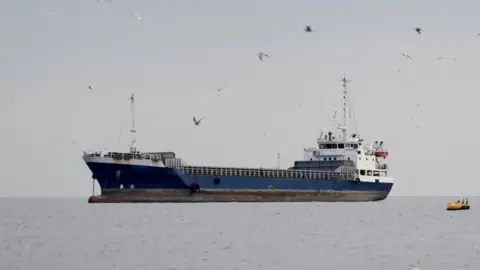
Shipping analysts are closely monitoring traffic to gauge the blockade's effectiveness, with several vessels already attempting to navigate the heightened risks in the Strait of Hormuz. Observers note a surge in vessel movement as the geopolitical landscape shifts, with major implications for the global economy and ongoing international relations.
'I do think it's doable,' retired US Rear Admiral Mark Montgomery told the BBC this morning. 'And it's certainly less risky than the alternative, which would have been to forcibly push back the Iranians and create the conditions for a convoy.'
Some options floated by President Trump, such as the seizure of Kharg Island or militarily escorting convoys through the Strait of Hormuz, could have been hazardous and costly. US forces involved would have exposed themselves to attacks from Iranian missiles, drones, and fast boats, with the additional danger of mines in the water.
In contrast, a blockade allows US warships to loiter safely, far offshore in the waters of the Gulf of Oman, tracking vessels emerging from Iranian ports and interdicting them at will. 'There's less risk in this than there is in the very confined area of the Strait,' Admiral Montgomery explained.
The US navy possesses all the necessary assets for the operation, including special forces and helicopters. Recent blockades of Venezuela and Cuba showcase the potential success of such actions. US Central Command states that the blockade 'will be enforced impartially against vessels of all nations entering or departing Iranian ports,' with the exception of ships carrying humanitarian supplies, which will be subject to inspection. But will it work?
The logic is sound. Iran has continued to export petrochemicals during ongoing conflicts, netting billions and hindering the exports of other Gulf nations. A successful US blockade could halt this flow, denting the Iranian regime's revenue, which is crucial for sustaining its economy.
However, Iran has shown resilience in facing US and Israeli assaults, believing it can outlast any sanctions or blockades. Reports suggest that as the US prepares to implement this blockade, the potential for increased oil prices looms, further complicating the stakes for all parties involved.
Shipping analysts are closely monitoring traffic to gauge the blockade's effectiveness, with several vessels already attempting to navigate the heightened risks in the Strait of Hormuz. Observers note a surge in vessel movement as the geopolitical landscape shifts, with major implications for the global economy and ongoing international relations.