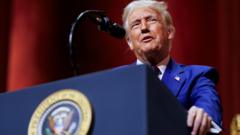
The tradition dictates that Northern Ireland's first and deputy first ministers attend the White House for St Patrick's Day events, embedding themselves in American political cultural exchanges. However, Sinn Féin's leadership views this boycott as politically apt, given Trump's inflammatory comments regarding Gaza and Ukraine—a perspective that resonates with widespread public dissent against the former president.
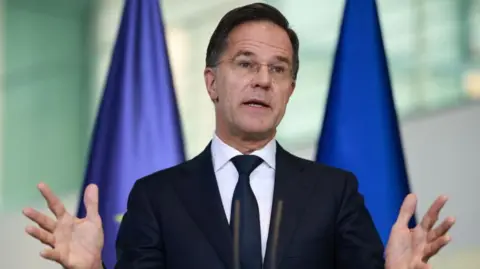
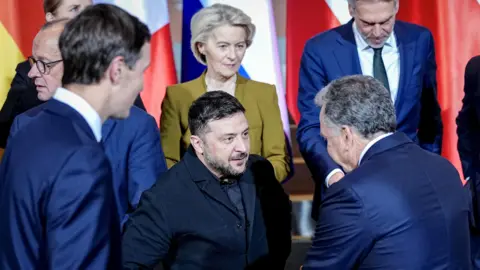
In recent remarks, Trump proposed radical changes to U.S. foreign policy, suggesting a takeover of the Gaza Strip, provoking strong backlash from international leaders, including those from France and Germany. His disparagement of Ukrainian President Volodymyr Zelensky as a "dictator" has drawn criticism even from traditionally supportive factions like the Democratic Unionist Party (DUP).
Sinn Féin leaders, including Michelle O’Neill and Mary Lou McDonald, have openly denounced Trump's rhetoric, leveraging their political position while contrasting themselves with the cautious stance adopted by governments wary of antagonizing U.S. relations. Their boycott announcement from Dublin serves as a pointed message to their unionist adversaries, highlighting a divide in political strategy between Northern Ireland and the Republic of Ireland.
As the situation unfolds, attention will shift to Deputy First Minister Emma Little-Pengelly, who may still attend the Washington festivities, creating a scenario where Northern Ireland could be represented independently. The implications of Sinn Féin's choice will continue to ripple through both local and international political landscapes, reflecting the complex interplay of support, dissent, and strategy in the context of U.S.-Ireland relations.
In recent remarks, Trump proposed radical changes to U.S. foreign policy, suggesting a takeover of the Gaza Strip, provoking strong backlash from international leaders, including those from France and Germany. His disparagement of Ukrainian President Volodymyr Zelensky as a "dictator" has drawn criticism even from traditionally supportive factions like the Democratic Unionist Party (DUP).
Sinn Féin leaders, including Michelle O’Neill and Mary Lou McDonald, have openly denounced Trump's rhetoric, leveraging their political position while contrasting themselves with the cautious stance adopted by governments wary of antagonizing U.S. relations. Their boycott announcement from Dublin serves as a pointed message to their unionist adversaries, highlighting a divide in political strategy between Northern Ireland and the Republic of Ireland.
As the situation unfolds, attention will shift to Deputy First Minister Emma Little-Pengelly, who may still attend the Washington festivities, creating a scenario where Northern Ireland could be represented independently. The implications of Sinn Féin's choice will continue to ripple through both local and international political landscapes, reflecting the complex interplay of support, dissent, and strategy in the context of U.S.-Ireland relations.