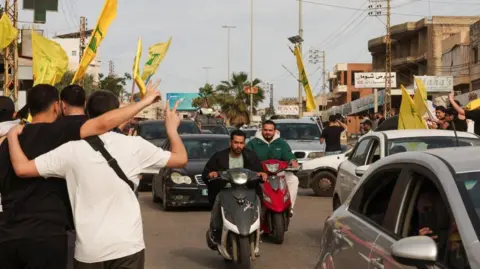
At the stroke of midnight, gunfire and fireworks celebrated the start of the ceasefire in Beirut. Throughout the morning, smiling crowds gathered along roads leading to Lebanon's south, playing revolutionary music and waving the yellow flags of Hezbollah as they began their journey back to where they had been displaced by the war.
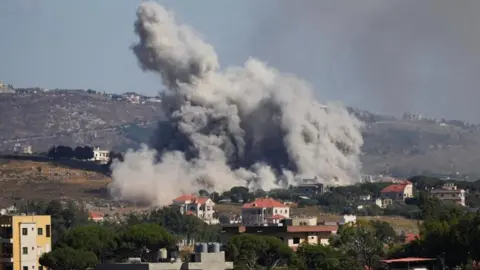
This is, initially, a 10-day ceasefire after six weeks of a devastating conflict between Israel and Hezbollah. It brings some respite for a country exhausted by the war, during which more than 2,100 lives have been lost and over a million people displaced, creating a humanitarian crisis.
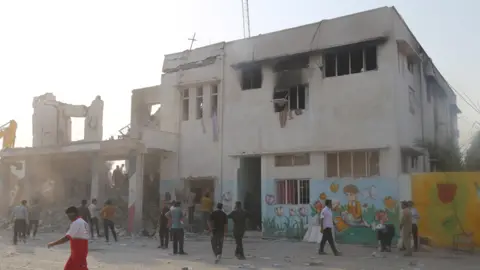
Mattresses piled on cars and families on motorbikes signified the movement of returnees, but many are hesitant to settle back. The destruction in several areas is too severe, and some towns remain under Israeli occupation. In Hezbollah-controlled areas of Beirut, the streets lay relatively quiet, with many buildings reduced to rubble.
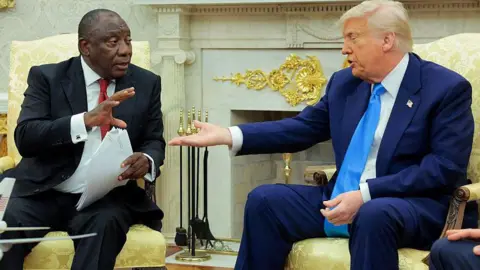
While some families expressed a desire to return home, others residing in improvised shelters along the waterfront voiced concerns about their safety. The ceasefire, announced by US President Donald Trump, does not address the withdrawal of Israeli troops from southern Lebanon, raising concerns about potential ongoing occupation.
The agreement leaves unresolved issues regarding Hezbollah’s arsenal, which divides opinions among Lebanese citizens and poses challenges for future negotiations. Hezbollah leaders affirm they will not disarm, emphasizing their ties with Iran, while the Lebanese government struggles to exert influence over the militia. Additionally, there is apprehension that Israeli attacks may continue, undermining lasting peace.
This ceasefire represents a fragile moment, but given the historical and political complexities, the possibility of sustainable peace remains uncertain.
This is, initially, a 10-day ceasefire after six weeks of a devastating conflict between Israel and Hezbollah. It brings some respite for a country exhausted by the war, during which more than 2,100 lives have been lost and over a million people displaced, creating a humanitarian crisis.
Mattresses piled on cars and families on motorbikes signified the movement of returnees, but many are hesitant to settle back. The destruction in several areas is too severe, and some towns remain under Israeli occupation. In Hezbollah-controlled areas of Beirut, the streets lay relatively quiet, with many buildings reduced to rubble.
While some families expressed a desire to return home, others residing in improvised shelters along the waterfront voiced concerns about their safety. The ceasefire, announced by US President Donald Trump, does not address the withdrawal of Israeli troops from southern Lebanon, raising concerns about potential ongoing occupation.
The agreement leaves unresolved issues regarding Hezbollah’s arsenal, which divides opinions among Lebanese citizens and poses challenges for future negotiations. Hezbollah leaders affirm they will not disarm, emphasizing their ties with Iran, while the Lebanese government struggles to exert influence over the militia. Additionally, there is apprehension that Israeli attacks may continue, undermining lasting peace.
This ceasefire represents a fragile moment, but given the historical and political complexities, the possibility of sustainable peace remains uncertain.