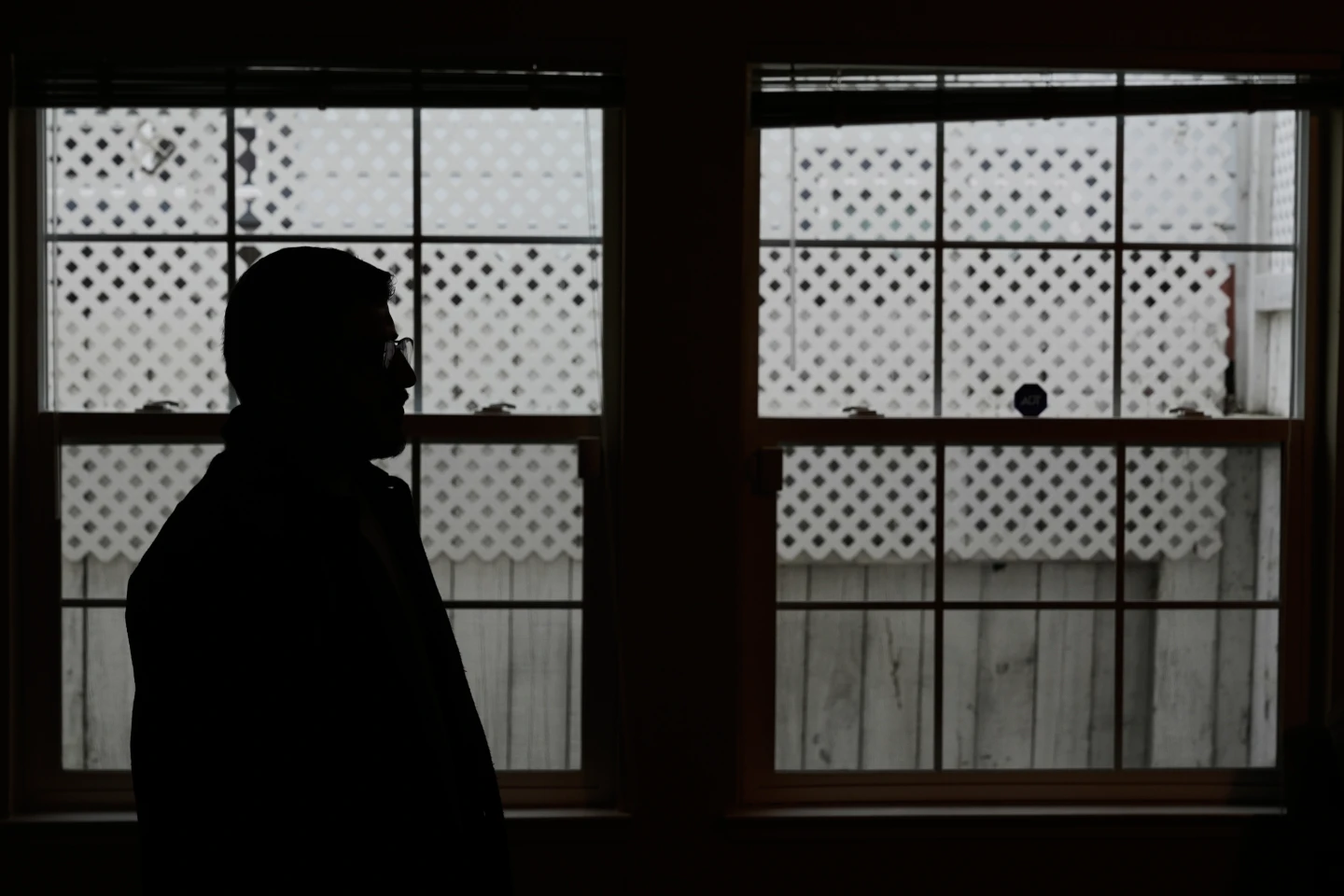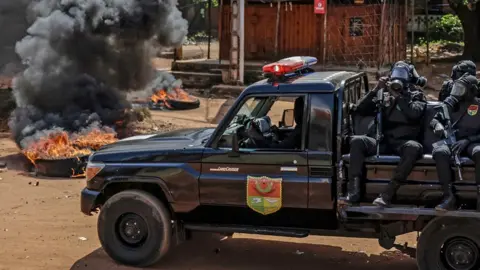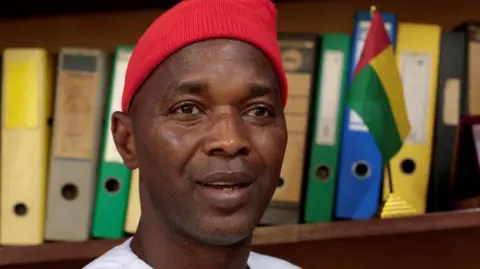
Nigeria has granted asylum to Guinea-Bissau presidential candidate Fernando Dias da Costa just days after a coup prevented the results of the recent election from being announced. The 47-year-old, who ran as a candidate for the Party for Social Renewal, was under special protection at the Nigerian embassy following threats made against him, according to Nigeria's foreign minister.
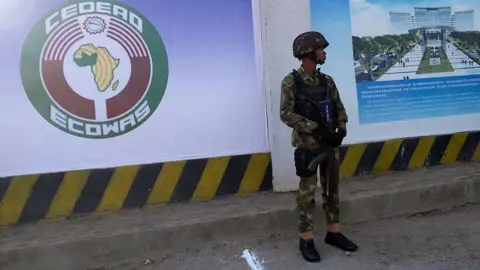
Dias was the main challenger to Umaro Sissoco Embaló, who was seeking a second term as president but has left the country following the military takeover. A delegation from the West African bloc Ecowas is currently in Guinea-Bissau, urging the military to step aside and release the election results.
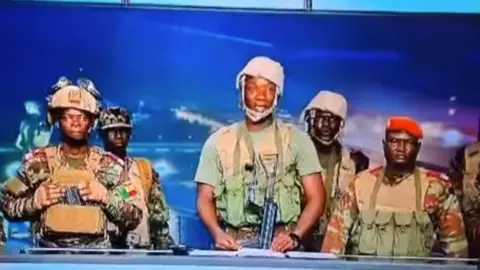
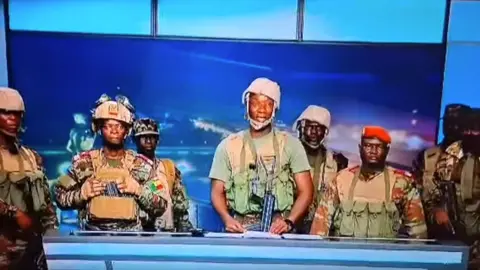
In light of the coup, which took place three days after the presidential poll on November 23, both Embaló and Dias claimed victory. The military has suspended the electoral process and stated it was acting to prevent a destabilization plot.
Tensions remain high in the capital, Bissau, as the PAIGC party, which played a pivotal role in the country's liberation from Portuguese colonial rule, claimed its headquarters had been illegally invaded by heavily armed militia groups following the coup.
Dias stated that he managed to escape from his campaign headquarters when armed men attempted to arrest him. In a letter to Ecowas Commission president Alieu Omar Touray, Nigeria's Foreign Minister Yusuf Tuggar highlighted the country's commitment to safeguarding democratic aspirations in Guinea-Bissau.
Because of the coup's aftermath, Dias will now be protected by soldiers from an Ecowas unit stationed at the Nigerian embassy. Discussions between the Ecowas delegation and the junta continue to evolve, with both sides expressing their concerns. Meanwhile, the junta has instituted a new leader, General Horta N'Tam, who will govern the country for a year as they navigate the political turmoil.
The motivations behind this coup remain ambiguous, with some speculating it to be fabricated to halt the electoral results amid accusations against Embaló.
Dias was the main challenger to Umaro Sissoco Embaló, who was seeking a second term as president but has left the country following the military takeover. A delegation from the West African bloc Ecowas is currently in Guinea-Bissau, urging the military to step aside and release the election results.
In light of the coup, which took place three days after the presidential poll on November 23, both Embaló and Dias claimed victory. The military has suspended the electoral process and stated it was acting to prevent a destabilization plot.
Tensions remain high in the capital, Bissau, as the PAIGC party, which played a pivotal role in the country's liberation from Portuguese colonial rule, claimed its headquarters had been illegally invaded by heavily armed militia groups following the coup.
Dias stated that he managed to escape from his campaign headquarters when armed men attempted to arrest him. In a letter to Ecowas Commission president Alieu Omar Touray, Nigeria's Foreign Minister Yusuf Tuggar highlighted the country's commitment to safeguarding democratic aspirations in Guinea-Bissau.
Because of the coup's aftermath, Dias will now be protected by soldiers from an Ecowas unit stationed at the Nigerian embassy. Discussions between the Ecowas delegation and the junta continue to evolve, with both sides expressing their concerns. Meanwhile, the junta has instituted a new leader, General Horta N'Tam, who will govern the country for a year as they navigate the political turmoil.
The motivations behind this coup remain ambiguous, with some speculating it to be fabricated to halt the electoral results amid accusations against Embaló.