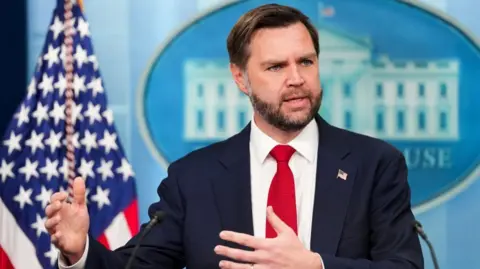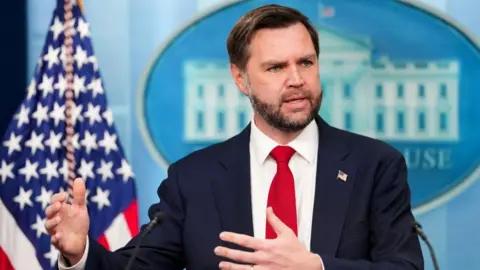
President Donald Trump has suggested talks aimed at ending the war in Iran could resume this week, after negotiations collapsed at the weekend, prompting the US to blockade Iranian ports. In an interview with the New York Post, Trump indicated, 'You should stay there [Islamabad], really, because something could be happening over the next two days, and we're more inclined to go there.' His remarks coincided with an announcement from the American military stating that no ships had crossed through the US-enforced blockade of Iranian waters within the first 24 hours of its operation. This stand-off has raised concerns over the two-week ceasefire due to expire next week.
While there has been no immediate response from Iranian officials regarding Trump's comments, UN Secretary General António Guterres noted it was 'highly probable' that talks would recommence. Reports suggest that negotiating teams from the US and Iran might return to Pakistan later this week, although no specific dates have been finalized. Hints of renewed dialogue have eased oil market fears, causing benchmark prices to drop below $100 per barrel.
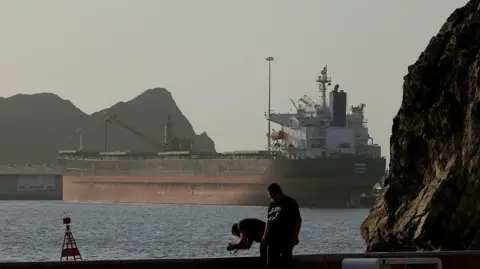
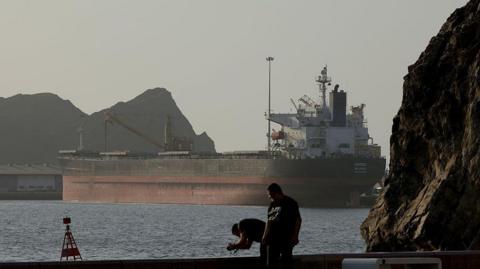
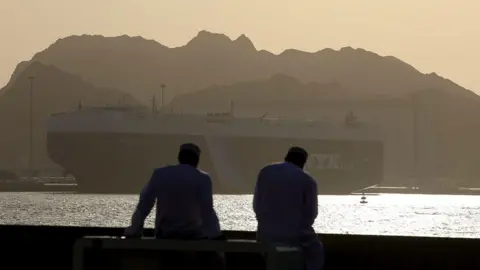
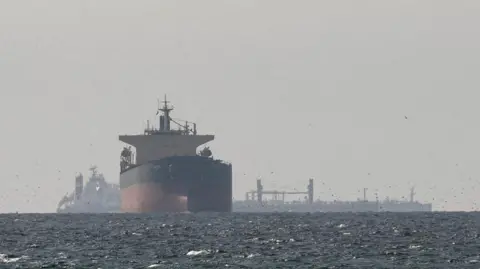
Since the onset of heightened tensions, Iran has effectively blocked the Strait of Hormuz, a critical global passage for oil transport, asserting control following air strikes from the US and Israel. The US military blockade, involving over a dozen warships and approximately 10,000 personnel, is designed to restrict Iranian economic flow by preventing shipping traffic to and from its ports, which includes essential oil revenues.
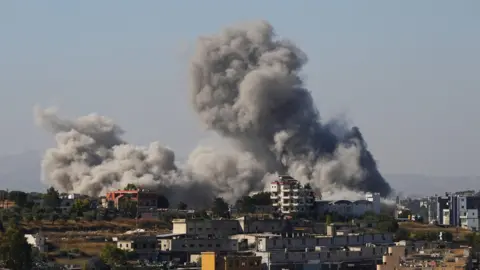
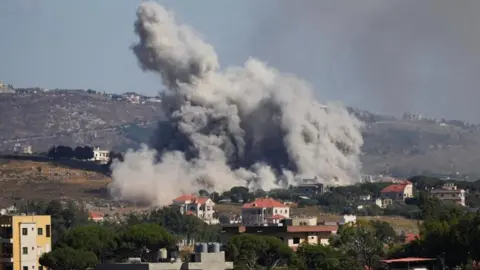
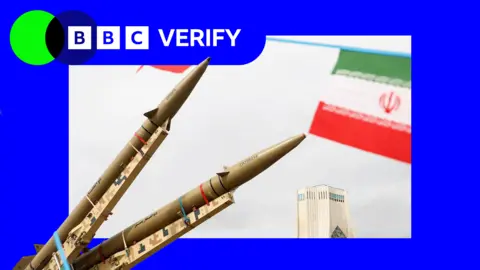
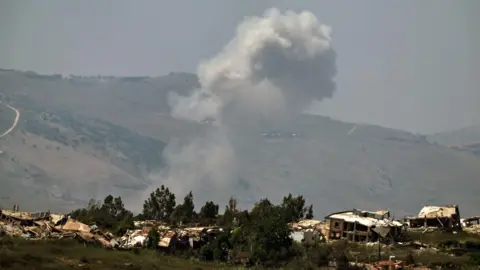
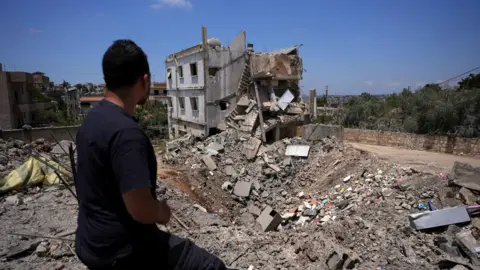
Initial negotiations in Islamabad faced obstacles primarily over Iran's nuclear program. The US proposed a 20-year moratorium on uranium enrichment, while Iran countered with a five-year halt, reflecting deep-rooted mistrust between the two nations. Amidst economic pressures exacerbated by the conflict, China condemned the blockade as 'dangerous and irresponsible', warning that it could inflame existing tensions and undermine the fragile ceasefire agreement. Meanwhile, Israel is moving forward with direct negotiations with Lebanon following recent military actions targeting Hezbollah, indicating a complex regional context surrounding these developments.
While there has been no immediate response from Iranian officials regarding Trump's comments, UN Secretary General António Guterres noted it was 'highly probable' that talks would recommence. Reports suggest that negotiating teams from the US and Iran might return to Pakistan later this week, although no specific dates have been finalized. Hints of renewed dialogue have eased oil market fears, causing benchmark prices to drop below $100 per barrel.
Since the onset of heightened tensions, Iran has effectively blocked the Strait of Hormuz, a critical global passage for oil transport, asserting control following air strikes from the US and Israel. The US military blockade, involving over a dozen warships and approximately 10,000 personnel, is designed to restrict Iranian economic flow by preventing shipping traffic to and from its ports, which includes essential oil revenues.
Initial negotiations in Islamabad faced obstacles primarily over Iran's nuclear program. The US proposed a 20-year moratorium on uranium enrichment, while Iran countered with a five-year halt, reflecting deep-rooted mistrust between the two nations. Amidst economic pressures exacerbated by the conflict, China condemned the blockade as 'dangerous and irresponsible', warning that it could inflame existing tensions and undermine the fragile ceasefire agreement. Meanwhile, Israel is moving forward with direct negotiations with Lebanon following recent military actions targeting Hezbollah, indicating a complex regional context surrounding these developments.