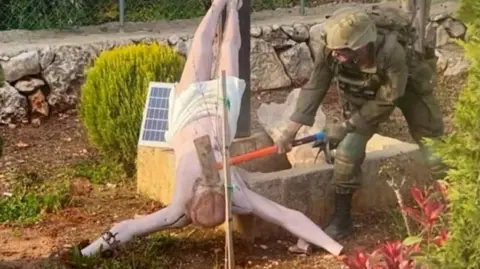
An image of an Israeli soldier apparently hitting a statue of Jesus with a sledgehammer in southern Lebanon has prompted widespread condemnation after being widely shared online. Israel's Prime Minister Benjamin Netanyahu said he was 'stunned and saddened' by what happened. Foreign Minister, Gideon Saar, expressed apologies for the incident on behalf of the Israeli government, emphasizing the hurt it has caused to the Christian community.
Locals indicate that the statue, which was on a crucifix outside a family home in the village of Debel, reflects the historical presence of Christians in the region. Father Fadi Flaifel, the head of Debel's congregation, described the act as a desecration of their sacred symbol, stating that it contradicts the declaration of human rights.
The Israeli military confirmed the authenticity of the image and stressed that such conduct contradicts the values expected from its troops. They assured that appropriate measures would be undertaken against the individual involved and expressed intentions to work with the Christian community to restore the damaged statue.
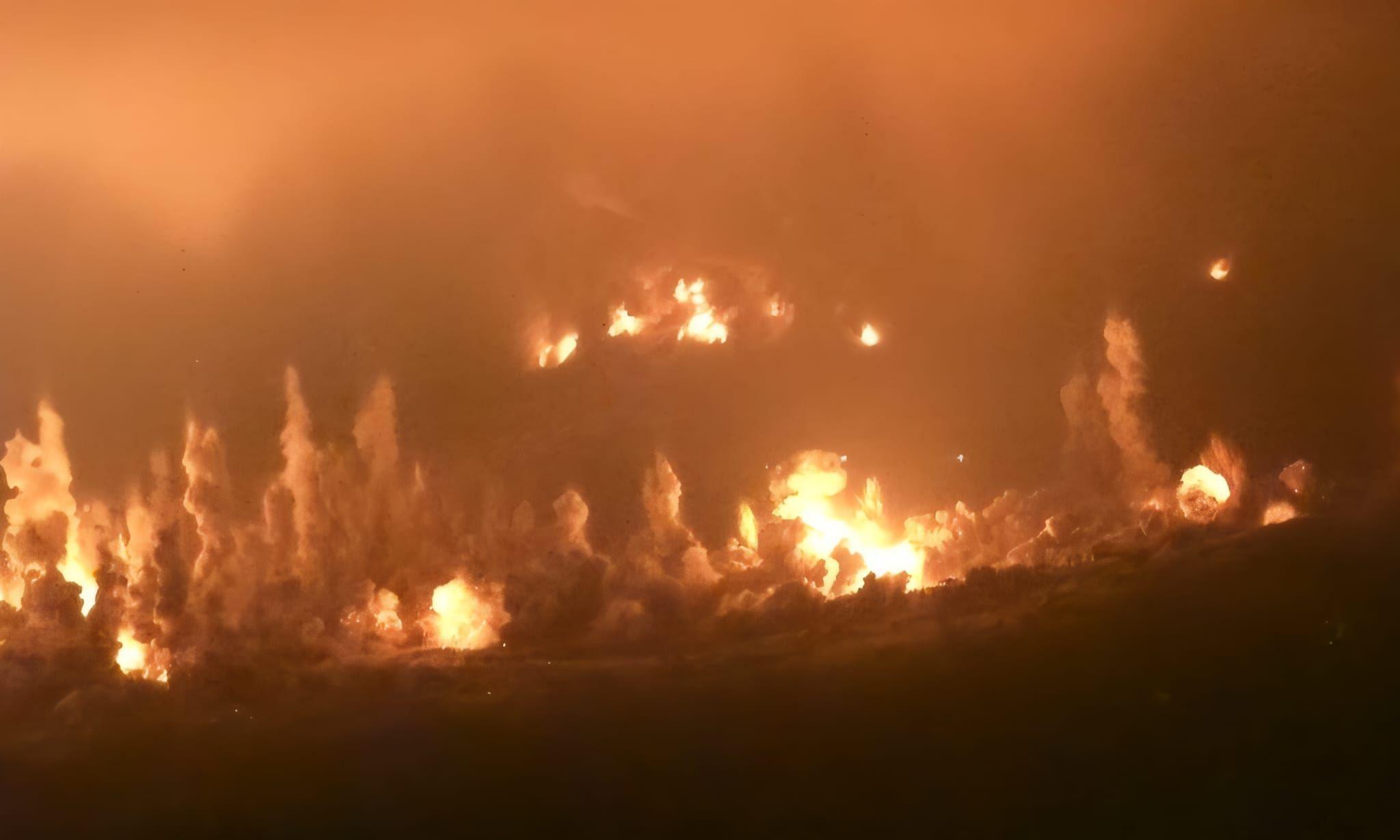
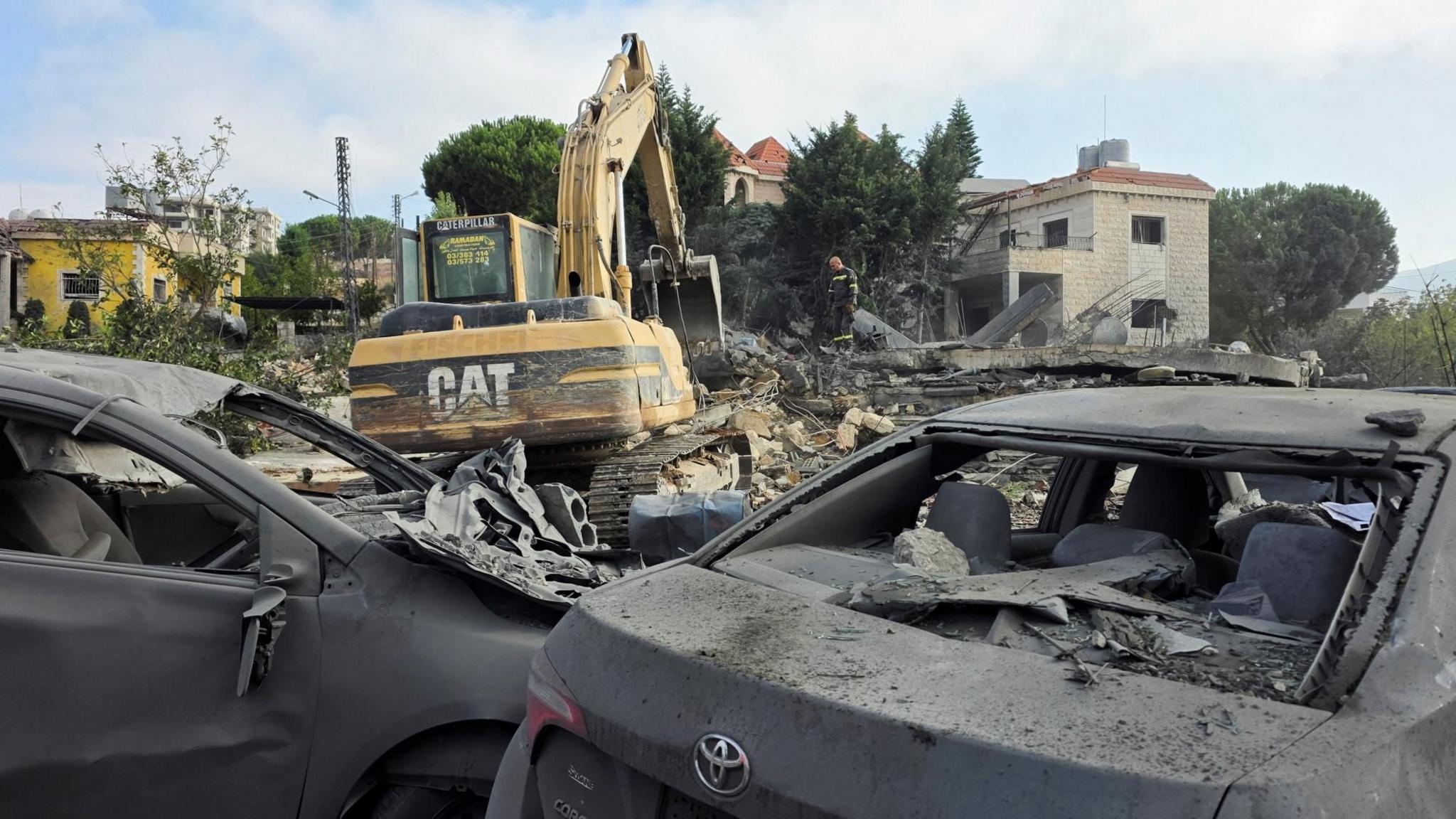
This incident occurs against the backdrop of a significant military presence in southern Lebanon following a recent ceasefire between Israel and Hezbollah. The ceasefire has been tenuous, with both sides accusing each other of violations.
The attack on the statue has incited reactions from various political figures, including US Ambassador to Israel Mike Huckabee, who called for 'swift, severe, & public consequences.' The situation has drawn attention to the broader tensions surrounding religious sensitivity and the state of Christian communities in the region, highlighted by rising animosity towards Christianity as per various reports.
With polls showing a decline in support for Israel among US adults, this incident may further complicate already strained diplomatic relationships. Netanyahu's assertion that the Christian population in Israel is thriving stands in stark contrast to the recent events, raising questions about the country’s treatment of minority communities.
Locals indicate that the statue, which was on a crucifix outside a family home in the village of Debel, reflects the historical presence of Christians in the region. Father Fadi Flaifel, the head of Debel's congregation, described the act as a desecration of their sacred symbol, stating that it contradicts the declaration of human rights.
The Israeli military confirmed the authenticity of the image and stressed that such conduct contradicts the values expected from its troops. They assured that appropriate measures would be undertaken against the individual involved and expressed intentions to work with the Christian community to restore the damaged statue.
This incident occurs against the backdrop of a significant military presence in southern Lebanon following a recent ceasefire between Israel and Hezbollah. The ceasefire has been tenuous, with both sides accusing each other of violations.
The attack on the statue has incited reactions from various political figures, including US Ambassador to Israel Mike Huckabee, who called for 'swift, severe, & public consequences.' The situation has drawn attention to the broader tensions surrounding religious sensitivity and the state of Christian communities in the region, highlighted by rising animosity towards Christianity as per various reports.
With polls showing a decline in support for Israel among US adults, this incident may further complicate already strained diplomatic relationships. Netanyahu's assertion that the Christian population in Israel is thriving stands in stark contrast to the recent events, raising questions about the country’s treatment of minority communities.