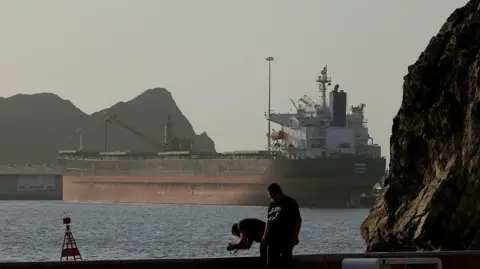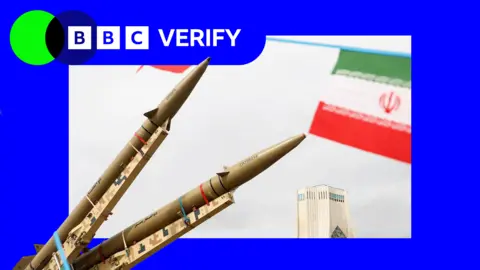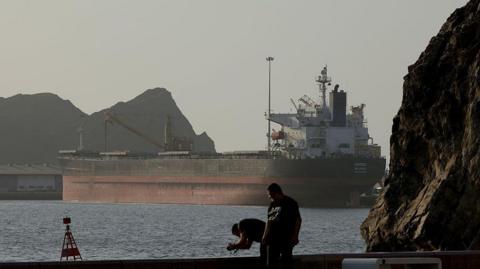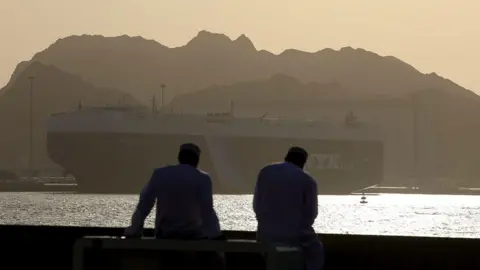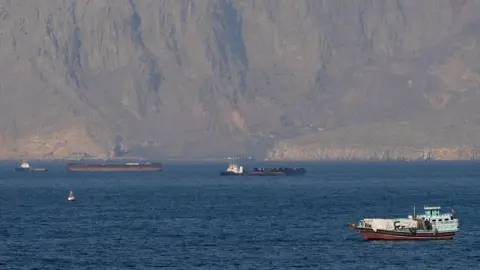
Iran has announced that the Strait of Hormuz is closed once again to commercial vessels, asserting that any ship which approaches will be targeted. The announcement follows reports of attacks on vessels in or near the strait, which has been a focal point of maritime tensions.
The closure was initiated by the Islamic Revolutionary Guard Corps (IRGC), which accused continued U.S. blockades of prompting the decision. The situation escalated recently when Iran's foreign minister had previously stated the key global shipping channel had been temporarily reopened, raising skepticism about the safety of navigating these waters.
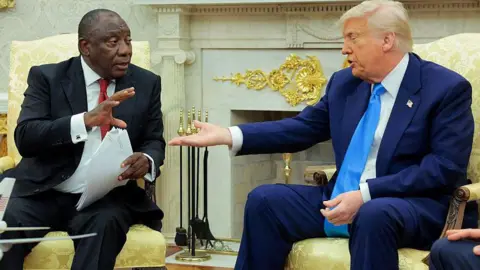
U.S. President Donald Trump responded, asserting that Iran cannot coerce the U.S. with threats surrounding this critical waterway, which has been effectively blocked for almost two months, causing significant spikes in global energy prices.
The IRGC reiterated that 'no vessel is to move from its anchorage in the Persian Gulf or the Sea of Oman'. Some vessels were reported to have passed through the strait under IRGC management until the closure was reimposed.
On Saturday, multiple reports indicated that two Iranian gunboats had opened fire on a tanker, and an unknown projectile struck another container ship, causing damage. India has expressed serious concerns over two Indian-flagged vessels involved in the shooting incidents.
The strategic Strait of Hormuz remains a vital juncture for around 20% of the world's oil and liquefied natural gas transport, and the reduced flow of ships amid rising conflicts has dramatically impacted global supply chains and fuel prices. With ongoing military threats and a tense geopolitical climate, the situation in the Strait of Hormuz remains critical and warrants close attention.
The closure was initiated by the Islamic Revolutionary Guard Corps (IRGC), which accused continued U.S. blockades of prompting the decision. The situation escalated recently when Iran's foreign minister had previously stated the key global shipping channel had been temporarily reopened, raising skepticism about the safety of navigating these waters.
U.S. President Donald Trump responded, asserting that Iran cannot coerce the U.S. with threats surrounding this critical waterway, which has been effectively blocked for almost two months, causing significant spikes in global energy prices.
The IRGC reiterated that 'no vessel is to move from its anchorage in the Persian Gulf or the Sea of Oman'. Some vessels were reported to have passed through the strait under IRGC management until the closure was reimposed.
On Saturday, multiple reports indicated that two Iranian gunboats had opened fire on a tanker, and an unknown projectile struck another container ship, causing damage. India has expressed serious concerns over two Indian-flagged vessels involved in the shooting incidents.
The strategic Strait of Hormuz remains a vital juncture for around 20% of the world's oil and liquefied natural gas transport, and the reduced flow of ships amid rising conflicts has dramatically impacted global supply chains and fuel prices. With ongoing military threats and a tense geopolitical climate, the situation in the Strait of Hormuz remains critical and warrants close attention.