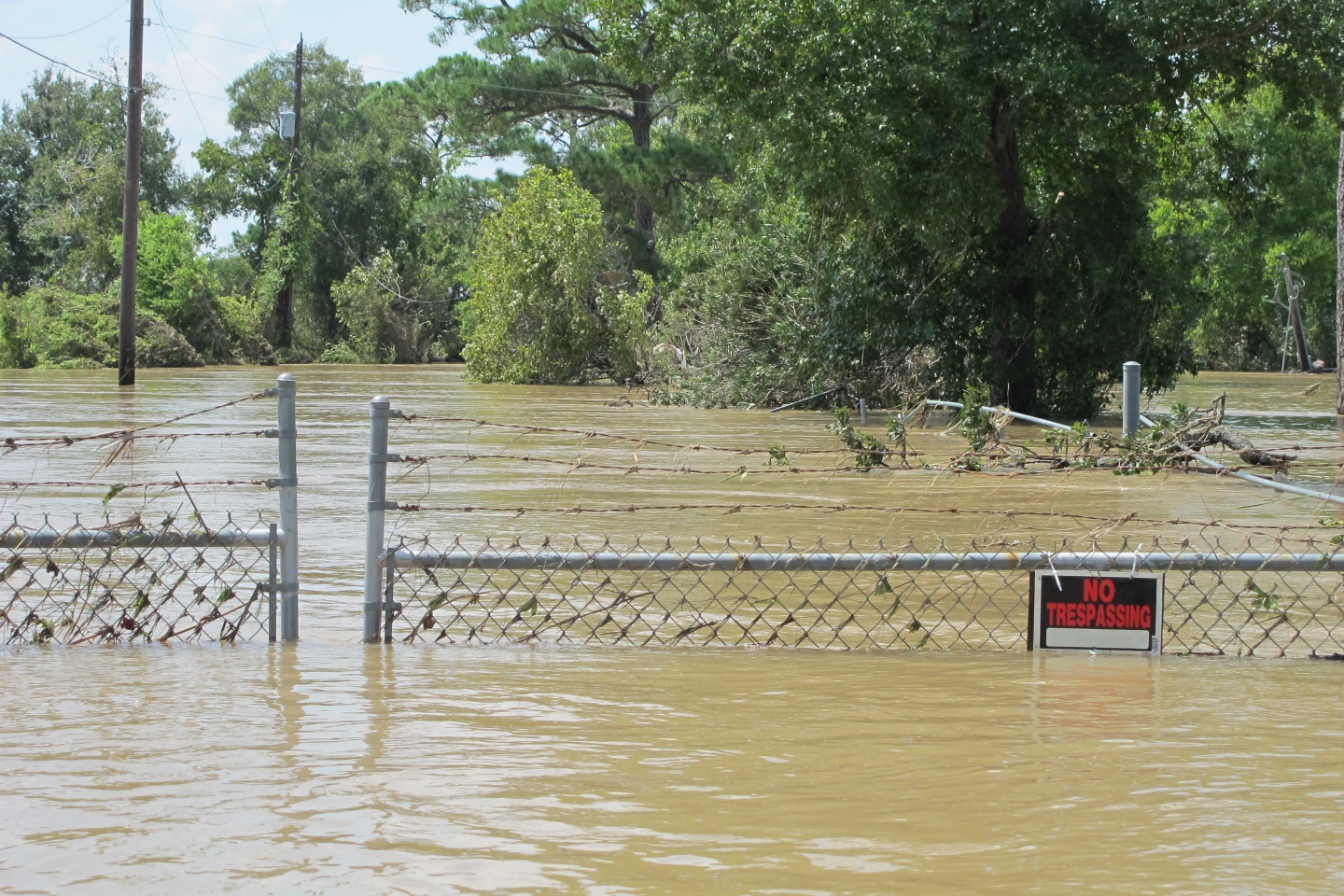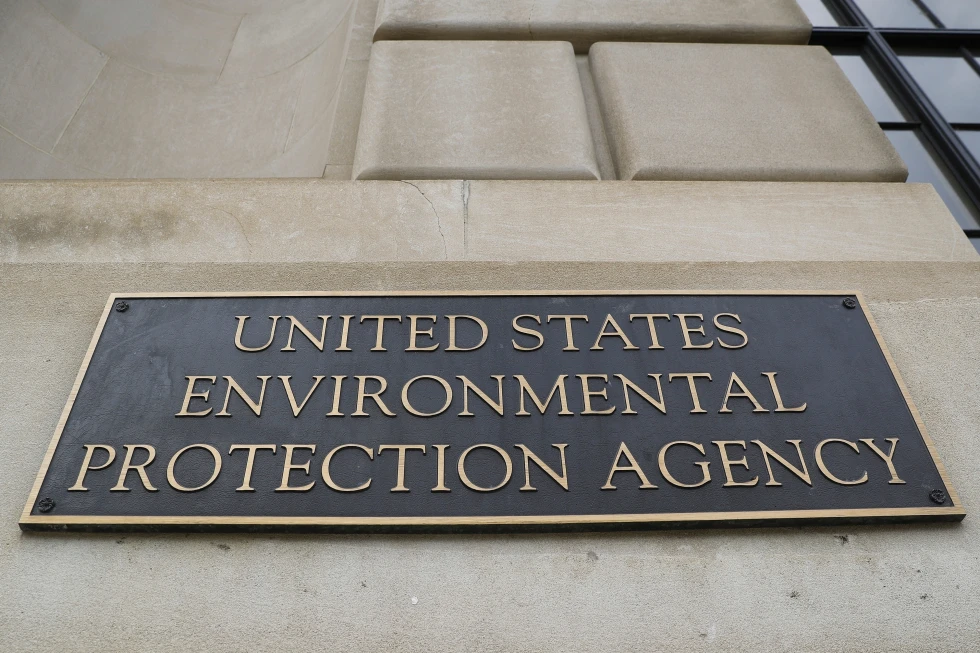
WASHINGTON (AP) — The Environmental Protection Agency announced plans on Monday to redefine the scope of the nation’s Clean Water Act, limiting the wetlands it covers. This update is a direct reaction to the Supreme Court's 2023 decision that reduced federal protections for many wetlands.
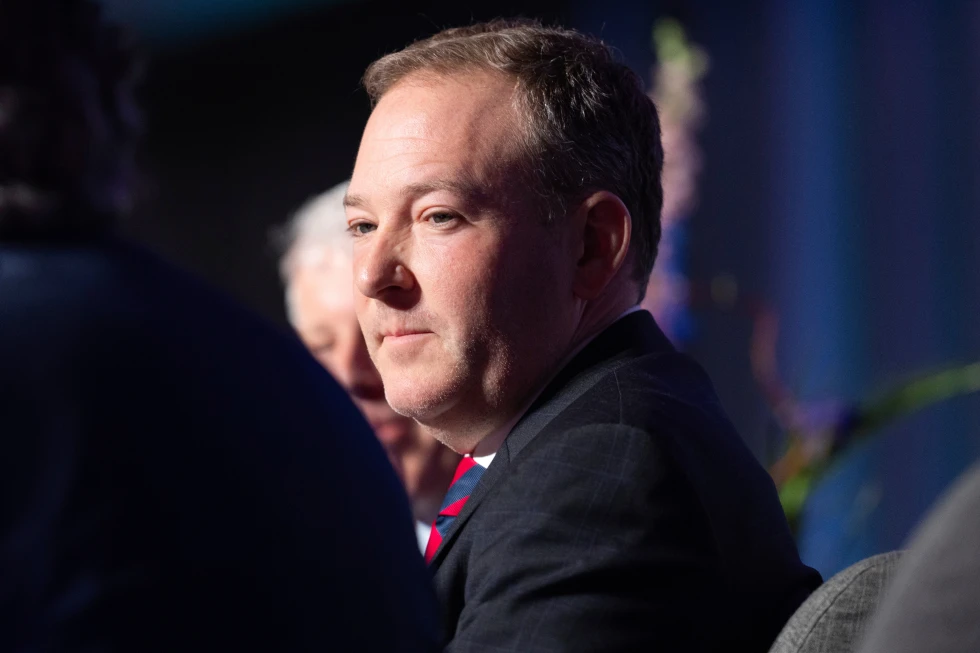
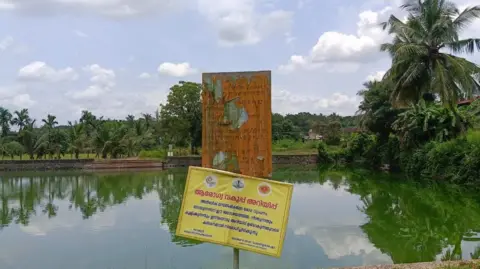
Once finalized, the updated ‘Waters of the United States’ rule will focus federal jurisdiction on relatively permanent bodies of water, such as rivers and lakes, and their adjacent wetlands. EPA Administrator Lee Zeldin stated that this regulation aims to foster economic prosperity while also safeguarding essential water resources.
Zeldin indicated that the new rule complies with the criteria laid out by the Supreme Court in the case of Sackett v. EPA, which significantly restricted the federal government’s ability to regulate water pollution on certain wetlands in favor of property rights.
The proposed regulation, currently open for public comment for at least 45 days, seeks to reduce bureaucratic hurdles for farmers and landowners, promising clarity for those unsure if the water on their land falls under federal jurisdiction.
Critics, however, including environmentalist groups, decried the proposal, arguing it paves the way for industries to further harm vital ecosystems. Advocates for the rule argue it represents a necessary balance between federal oversight and local autonomy.
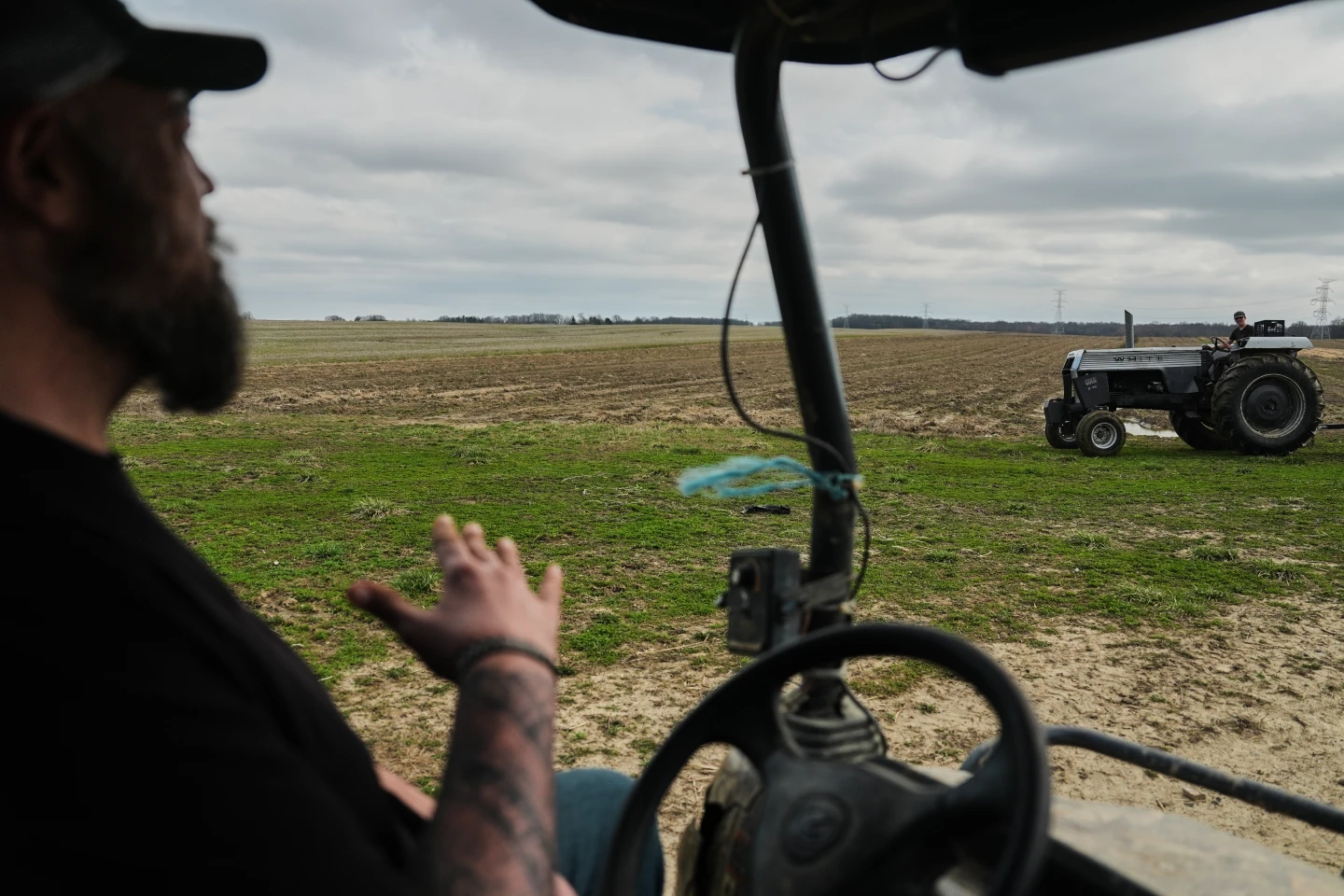
Zeldin has stated that they have received feedback from various stakeholders, including farmers, who expressed their frustrations with past expansive definitions of water bodies. The administration aims to create straightforward guidelines that can withstand changes in political leadership.