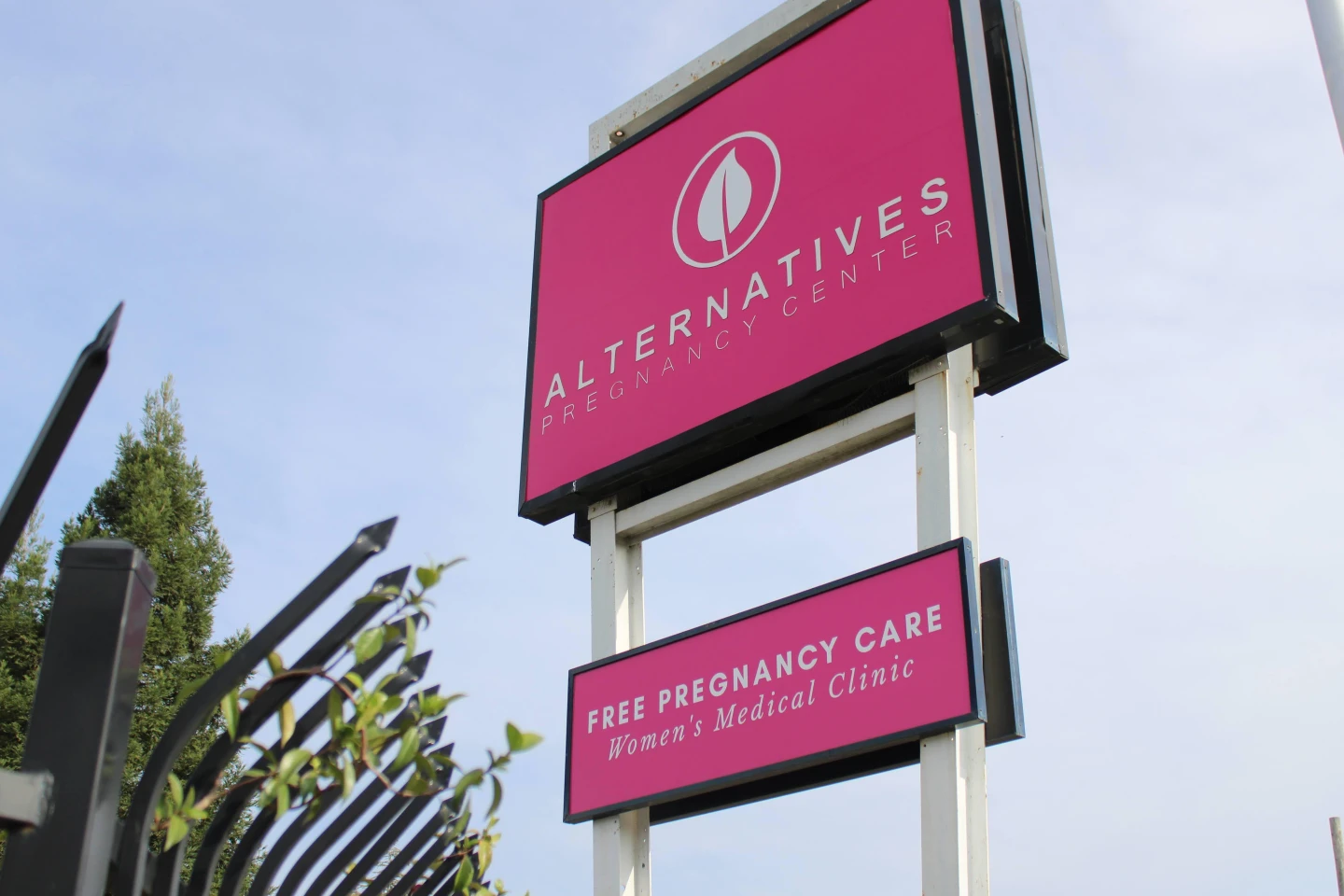
Pregnancy centers in the U.S. that discourage women from opting for abortions are expanding their range of medical services—potentially signaling a broader evolution in reproductive healthcare.
Services now go beyond traditional pregnancy support, including testing and treatment for sexually transmitted infections (STIs) and even primary care systems. Efforts at expansion have noticeably increased following the Supreme Court's decision to overturn Roe v. Wade, facilitating a wave of abortion bans across various states.
As organizations like Planned Parenthood face financial and operational strains, such as closing multiple clinics, these pregnancy centers see an opportunity to fill the gaps left in community health services. We ultimately want to replace Planned Parenthood with the services we offer, states Heather Lawless, the founder and director of the Reliance Center in Lewiston, Idaho, noting that many patients seek various healthcare services unrelated to pregnancy.
However, this expansion has drawn criticism from abortion-rights advocates who express concerns about the lack of regulatory accountability within these centers. Many fail to provide essential services such as birth control and often offer limited training for medical staff conducting ultrasounds, raising questions about overall healthcare quality.
The landscape of pregnancy centers has shifted dramatically since the Dobbs v. Jackson Women’s Health Organization verdict, with over 2,600 centers now reported in operation, a significant increase from previous years. Meanwhile, the number of clinics providing abortions has declined sharply, further underscoring the transforming healthcare environment.
Critics emphasize that as traditional clinics face closures and potential loss of government funding, more women may find themselves reliant on these centers that can operate without strict oversight. The expansion of services in pregnancy centers is occurring simultaneously with calls for better regulatory practices to ensure they are delivering accurate healthcare information, creating significant implications for reproductive health outcomes in affected communities.