US Navy Secretary John Phelan is leaving the Trump administration, the Pentagon announced on Wednesday. His departure will be 'effective immediately', Pentagon spokesman Sean Parnell said in a social media post. Navy Undersecretary Hung Cao will serve as acting secretary, Parnell added.
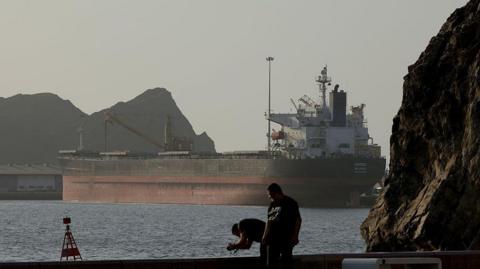
Phelan is the latest high-ranking military leader to leave the administration in recent months, with his departure coinciding with the US-Israel war with Iran and the continued US blockade of the Strait of Hormuz.
'On behalf of the Secretary of War and Deputy Secretary of War, we are grateful to Secretary Phelan for his service to the Department and the United States Navy,' Parnell wrote. 'We wish him well in his future endeavors.' The Navy did not provide a reason for Phelan's departure.
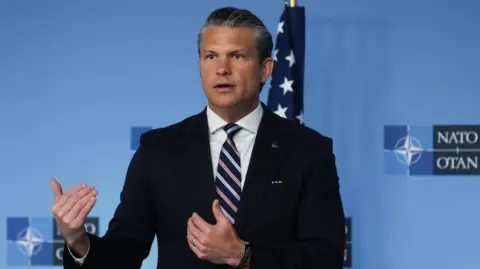
This announcement comes shortly after US Defense Secretary Pete Hegseth asked Army Chief of Staff Randy George to step down from his post, along with the removal of two other Army officials. Since entering the Pentagon, Hegseth has terminated over a dozen senior military officers, including the chief of naval operations and the deputy chief of staff of the Air Force.
The role of Navy Secretary involves administrative responsibilities such as policy formulation, recruiting, training, equipping the Navy, and overseeing budget and logistics, including the construction and repair of naval ships and facilities.
Phelan, a civilian without prior military experience, was appointed by President Donald Trump in March 2025. His leadership included supporting a controversial new 'Golden Fleet' of heavily armed Navy battleships.
Andrew Peek, a former State Department deputy assistant secretary, speculated that Phelan's removal was linked to frustrations over national policy directions and a shift toward leaders that the president prefers. Cao, Phelan's successor, is a 25-year Navy veteran and previously ran for the US Senate.
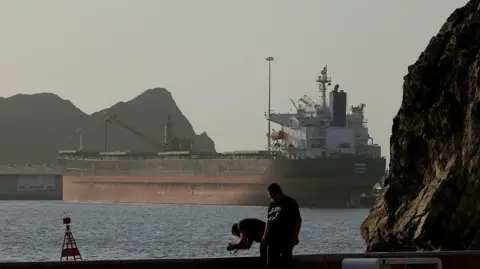
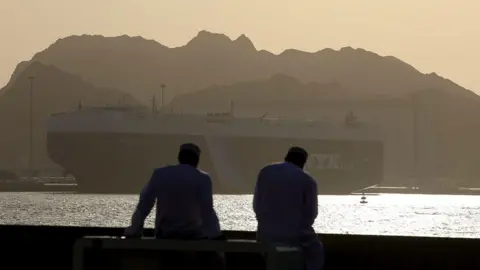
The Navy's leadership change comes at a time of heightened tensions in global shipping routes, notably the Strait of Hormuz, where Iran has engaged in confrontational actions against US interests. White House officials stated that President Trump is satisfied with the ongoing US blockade on Iranian ports, indicating a firm stance against Iran despite the current ceasefire in ongoing conflicts.
Phelan is the latest high-ranking military leader to leave the administration in recent months, with his departure coinciding with the US-Israel war with Iran and the continued US blockade of the Strait of Hormuz.
'On behalf of the Secretary of War and Deputy Secretary of War, we are grateful to Secretary Phelan for his service to the Department and the United States Navy,' Parnell wrote. 'We wish him well in his future endeavors.' The Navy did not provide a reason for Phelan's departure.
This announcement comes shortly after US Defense Secretary Pete Hegseth asked Army Chief of Staff Randy George to step down from his post, along with the removal of two other Army officials. Since entering the Pentagon, Hegseth has terminated over a dozen senior military officers, including the chief of naval operations and the deputy chief of staff of the Air Force.
The role of Navy Secretary involves administrative responsibilities such as policy formulation, recruiting, training, equipping the Navy, and overseeing budget and logistics, including the construction and repair of naval ships and facilities.
Phelan, a civilian without prior military experience, was appointed by President Donald Trump in March 2025. His leadership included supporting a controversial new 'Golden Fleet' of heavily armed Navy battleships.
Andrew Peek, a former State Department deputy assistant secretary, speculated that Phelan's removal was linked to frustrations over national policy directions and a shift toward leaders that the president prefers. Cao, Phelan's successor, is a 25-year Navy veteran and previously ran for the US Senate.
The Navy's leadership change comes at a time of heightened tensions in global shipping routes, notably the Strait of Hormuz, where Iran has engaged in confrontational actions against US interests. White House officials stated that President Trump is satisfied with the ongoing US blockade on Iranian ports, indicating a firm stance against Iran despite the current ceasefire in ongoing conflicts.