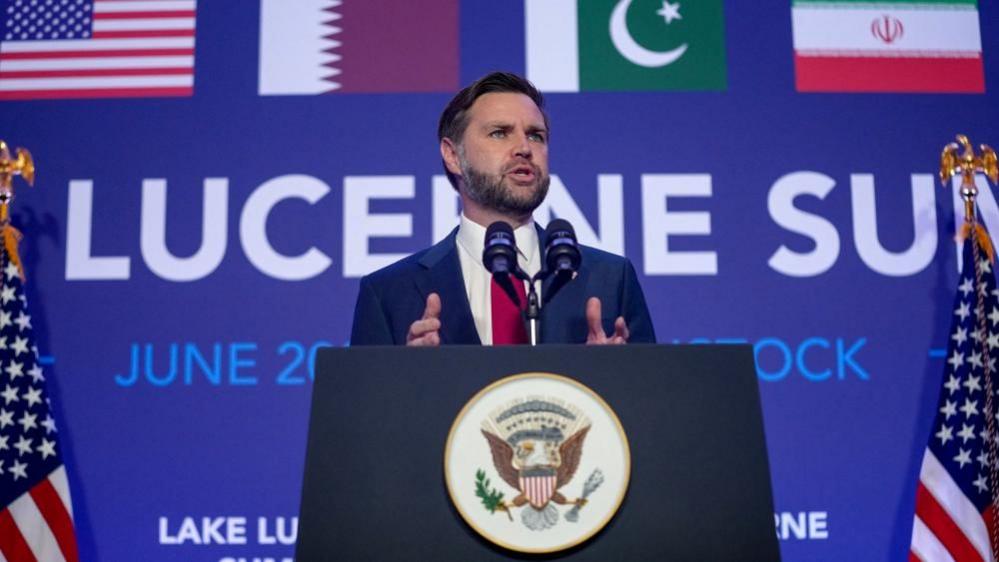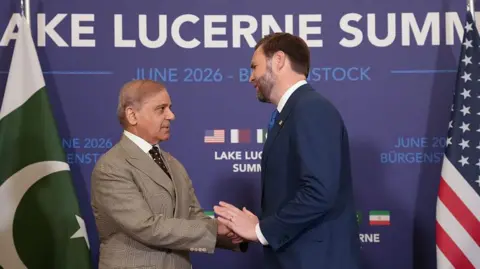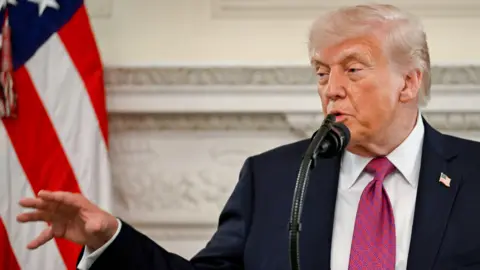
Tuesday began as a frantic day of diplomacy in Washington, with Air Force Two ready to fly Vice President JD Vance to Islamabad for another round of peace talks between the US and Iran. However, as the hours passed, the highly anticipated trip was postponed. President Trump announced that he would extend the ceasefire with Iran, set to expire Wednesday, to give the regime additional time to formulate a 'unified proposal' for peace. This marks the second consecutive week that Trump has hesitated on escalating military actions, purchasing more time as the conflict nears its two-month mark.
Although Vance's trip to Islamabad was not formally announced, the lack of commitment from Iran led to uncertainty about his potential participation. As rumors of a postponement circulated, members of the US negotiating team altered their travel plans, shifting from Miami to Washington, where policy discussions continued at the White House.
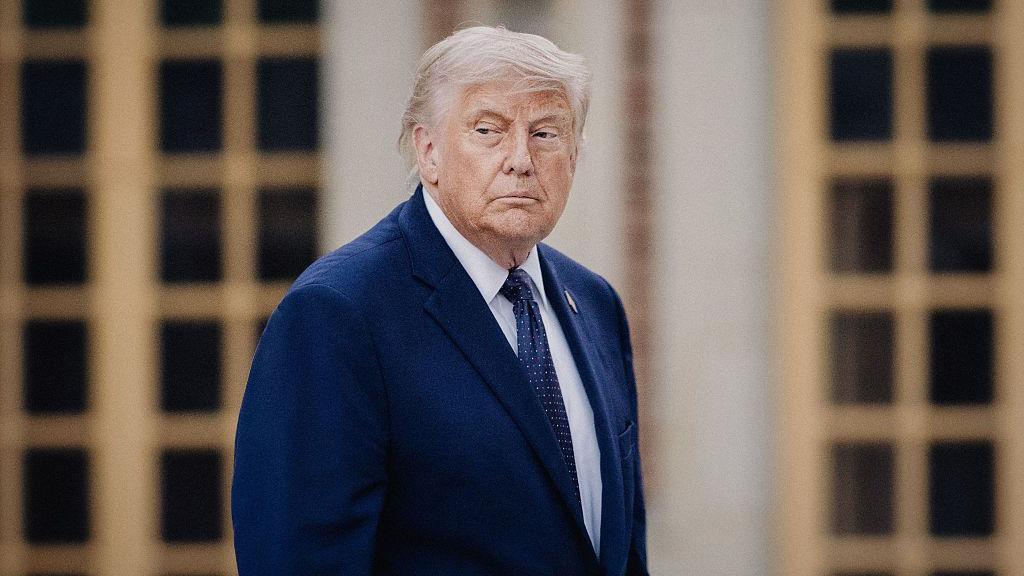
In a statement made through Truth Social, Trump specified that he made the decision to extend the ceasefire at the request of Pakistan, a mediator in the US-Iran dialogue. 'We have been asked to hold our Attack on the Country of Iran until such time as their leaders and representatives can come up with a unified proposal,' he stated.
While Trump's statement did not clarify the duration of the ceasefire, his communication style appeared more restrained compared to his previous confrontational rhetoric. Experts interpret this as potentially reflecting an increased desire to resolve an unpopular war that has serious economic implications. However, concern remains over the blockade of the Strait of Hormuz and Iran's persistent advancements in its nuclear program, leaving diplomats questioning the long-term viability of peace prospects.
The extended ceasefire provides some breathing room for negotiations, yet many complex issues persist, as both nations navigate fractured relations.
Although Vance's trip to Islamabad was not formally announced, the lack of commitment from Iran led to uncertainty about his potential participation. As rumors of a postponement circulated, members of the US negotiating team altered their travel plans, shifting from Miami to Washington, where policy discussions continued at the White House.
In a statement made through Truth Social, Trump specified that he made the decision to extend the ceasefire at the request of Pakistan, a mediator in the US-Iran dialogue. 'We have been asked to hold our Attack on the Country of Iran until such time as their leaders and representatives can come up with a unified proposal,' he stated.
While Trump's statement did not clarify the duration of the ceasefire, his communication style appeared more restrained compared to his previous confrontational rhetoric. Experts interpret this as potentially reflecting an increased desire to resolve an unpopular war that has serious economic implications. However, concern remains over the blockade of the Strait of Hormuz and Iran's persistent advancements in its nuclear program, leaving diplomats questioning the long-term viability of peace prospects.
The extended ceasefire provides some breathing room for negotiations, yet many complex issues persist, as both nations navigate fractured relations.